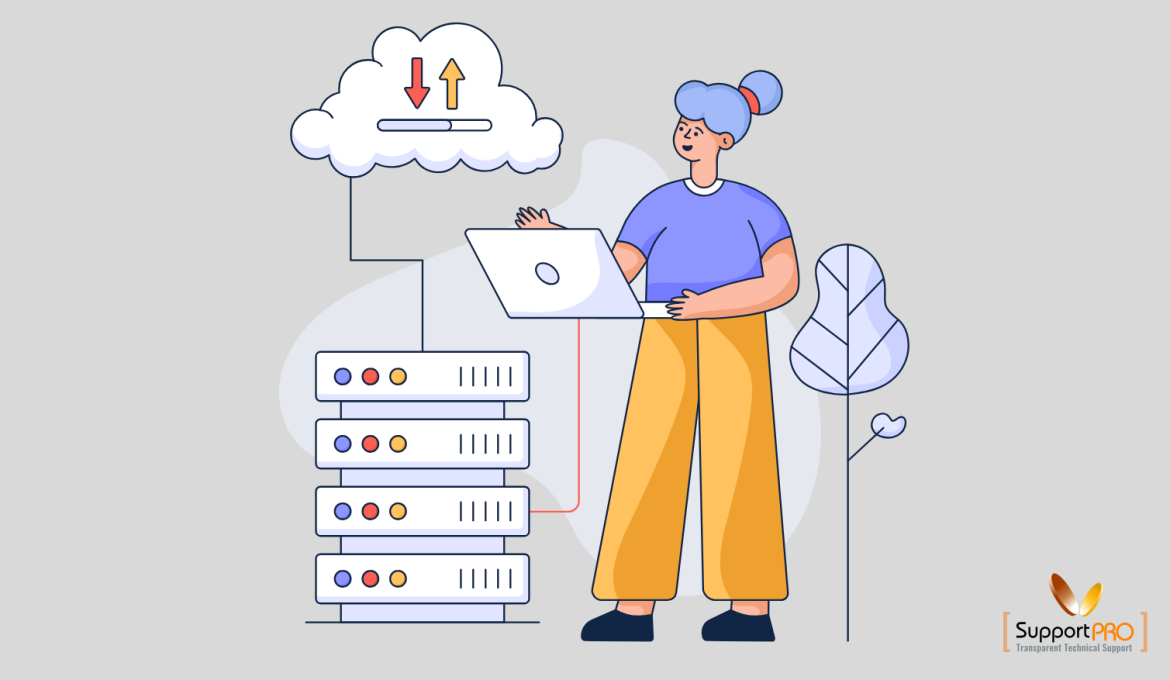
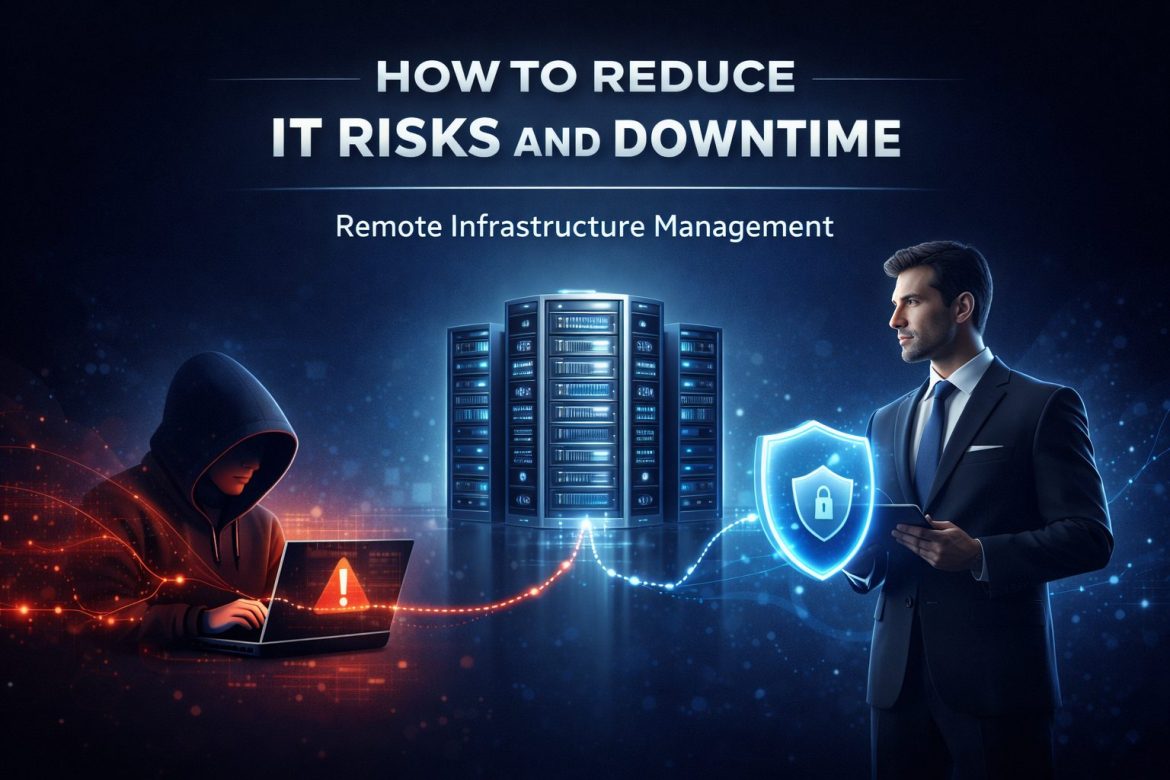
IT downtime directly affects revenue, productivity, and customer trust. As infrastructure environments grow more complex, traditional IT management approaches struggle to maintain stability and security. Remote Infrastructure Management, or RIM, helps businesses reduce IT risks and downtime by providing continuous monitoring, proactive maintenance, and faster incident response. What Causes IT Risks and Downtime ? A large proportion of infrastructure failures stem from operational gaps that could be detected or mitigated earlier, alongside unavoidable external or platform level events. 1. Hardware failures Aging or overloaded hardware often exhibits early warning indicators …
Server
Introduction In the cloud and hosting industry, effective server management is no longer optional. Today’s customers want the fundamentals: accurate billing, timely support, effective provisioning and uptime. To meet those expectations, managed service providers (MSPs), data centers and hosting companies need effective and efficient systems. For many years, WHMCS (Web Host Manager Complete Solution) has been the reliable automation platform for web hosting companies. It integrates billing, provisioning, and client support in one place. However, the true power of WHMCS stems from its vast array of add-ons. These modules turn …
The rising penetration of the cloud and the need for securing workloads of the Google Cloud Platform are the need of the hour. GCP also provides a strong foundation for security controls. As such, customers have a responsibility to implement workload-specific security controls that rectify misconfiguration, unauthorized use, and growing threats. The increasingly complicated cloud structures and flexibility of services make security prioritization critical for evaluating deployment patterns of the future. Equally vital is maintaining agility and scalability through a combination of strategic monitoring and operational efficiency through best support …
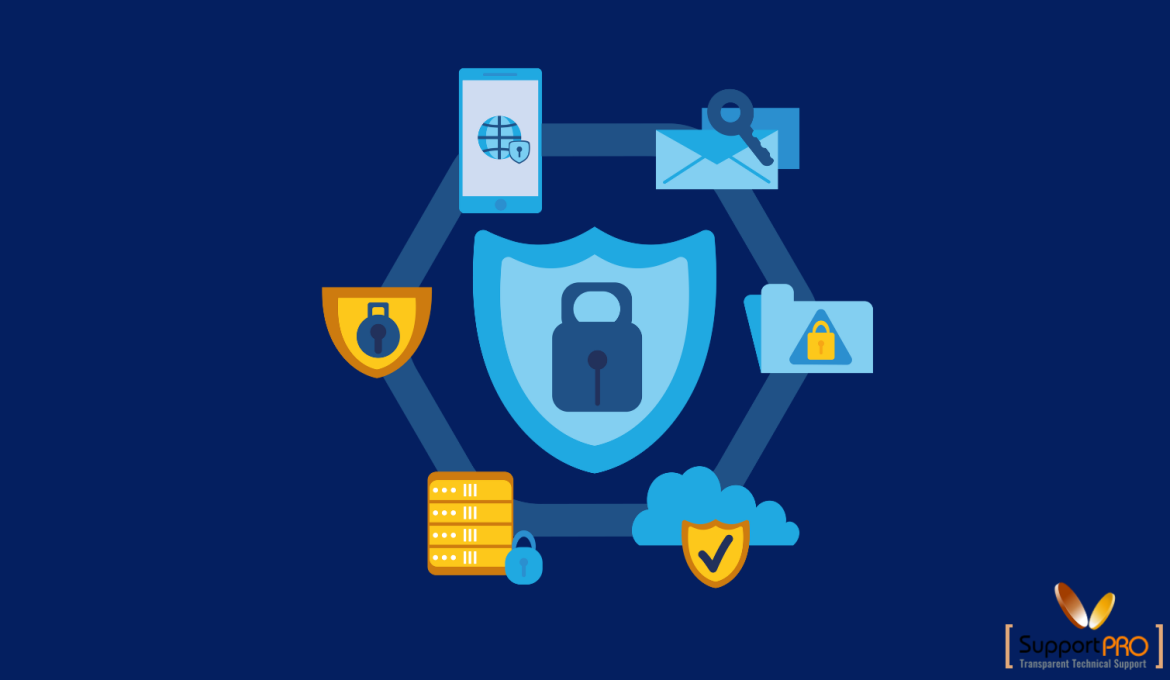
In today’s digital landscape, cyber threats are evolving rapidly, making server and website security a top priority for businesses and individuals alike. Hackers deploy various attack methods—such as DDoS attacks, SQL injections, cross-site scripting (XSS), and malware infections to exploit vulnerabilities. Fortunately, several software tools can help prevent these attacks and safeguard your online assets. This blog explores essential security tools that protect servers and websites from cyber threats while ensuring performance and reliability. 1. Web Application Firewalls (WAFs) A Web Application Firewall (WAF) acts as a security checkpoint for …
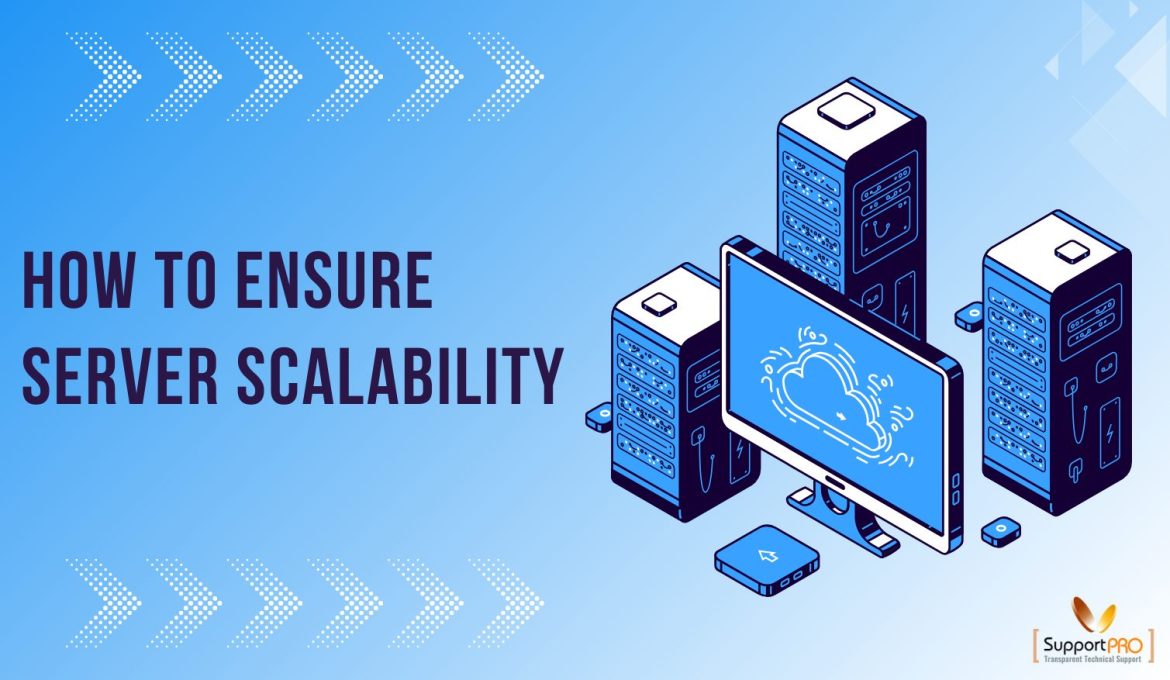
Growth increases system demand before it increases revenue. Server scalability ensures your infrastructure handles that demand without slowing down performance. When scalability is planned correctly, users experience stability even during traffic spikes, product launches, or expansion phases. Below is a practical, structured approach to building scalable server infrastructure that supports both performance and growth. Server Scalability: Protect Performance as Demand Increases Server scalability means your systems can handle increasing traffic, users, and data without degradation. For founders, this directly impacts customer experience, retention, and revenue protection. Stable systems build trust, …
The web hosting industry is highly competitive, with countless providers offering similar services. To stand out, you need to go beyond the basics and offer something unique. Whether you’re a new player or an established hosting provider, differentiation is key to attracting and retaining customers. In this blog, we’ll explore actionable strategies to help your hosting business shine in a crowded market. 1. Focus on Niche Hosting One of the most effective ways to differentiate your hosting business is by targeting a specific niche. Instead of trying to cater to …
Data security, compliance, and reliability are non-negotiable in the healthcare industry. Whether managing patient records, running telemedicine platforms, or handling medical research data, choosing the right dedicated server is critical. A dedicated server ensures optimal performance, enhanced security, and scalability for healthcare functionality. But how do you choose the best one? In this blog, we’ll walk you through the key factors to consider when selecting a dedicated server for healthcare applications. Why Healthcare Needs Dedicated ServersHealthcare organizations deal with sensitive patient data, requiring strict compliance with HIPAA (Health Insurance Portability …
The terms web server vs application server are often used interchangeably; but they serve very different purposes. If you’re building a website or web application, understanding the difference between web server and application server is critical for performance, scalability, and architecture decisions. Let’s break it down clearly. What is a Web Server? Imagine a web server as the friendly librarian who knows exactly where every book is stored. When you ask for a specific book, the librarian quickly hands it to you. In the digital world, a web server does …
In today’s digital landscape, server abuse is a growing concern for businesses and organizations. Whether it’s spam, malware, DDoS attacks, or unauthorized access, severe abuse can disrupt operations, damage reputations, and lead to significant financial losses. Effectively handling such incidents requires a proactive approach, robust tools, and a clear understanding of the steps involved in mitigating abuse. This blog will explore the best practices for managing severe abuse and how you can safeguard your servers from potential threats. Understanding Server Abuse Server abuse refers to any unauthorized or malicious activity …
Server migration is a critical IT operation that directly impacts performance, security, and scalability. Whether you’re moving to the cloud, upgrading infrastructure, or consolidating servers, a poorly executed migration can lead to downtime, data loss, and costly disruptions. This guide explains server migration, why it’s essential, the key steps involved, and how to execute it safely for your business. By following best practices, you can ensure minimal downtime, seamless performance, and complete data security. What Is Server Migration? Server migration is the process of transferring data, applications, and workloads from …