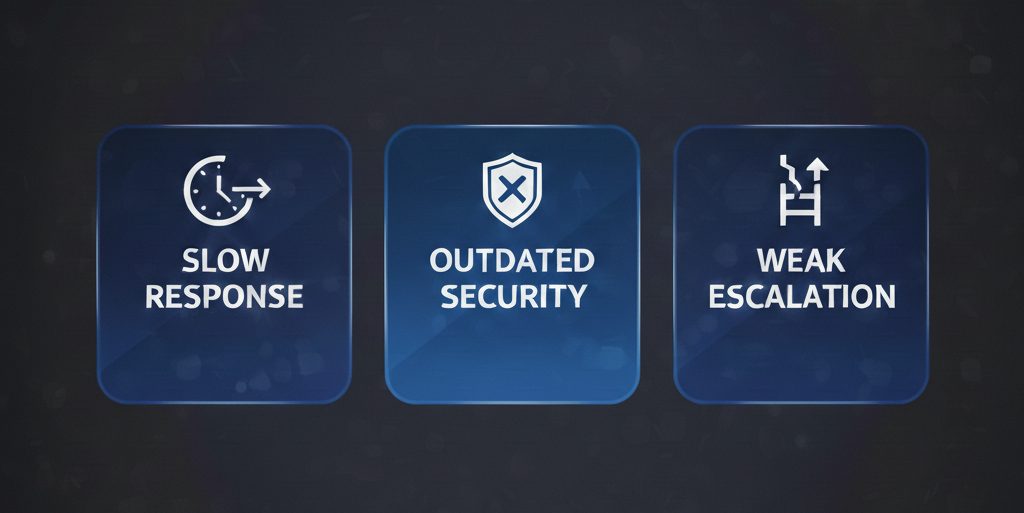

Modern businesses rely heavily on server infrastructure to maintain application availability, protect sensitive data, and support daily operations. Yet many organizations underestimate the operational risk created by gaps in server support. Even small inefficiencies: delayed responses, poor monitoring, weak escalation processes; can compound into extended downtime, compliance failures, and financial loss. Even a five-minute server outage can halt revenue, disrupt operations, and damage customer trust. According to industry reliability studies, downtime can cost enterprises thousands of dollars per minute depending on workload criticality. Understanding where server support commonly fails is …
dedicated server support
Why Poor Server Management Leads to Downtime and Security Risks ?
Servers sit at the core of business operations. Applications, customer data, internal systems, and digital services all depend on them. When server management is weak, the impact shows up quickly in the form of service outages, slow performance, and security incidents. For business leaders, poor server management is not an IT inconvenience. It is a direct risk to revenue, reputation, and operational continuity. What Happens When Server Management Is Poor ? How Poor Server Management Creates Downtime and Security Risks ? What Effective Server Management Looks Like ? Industry Trends …
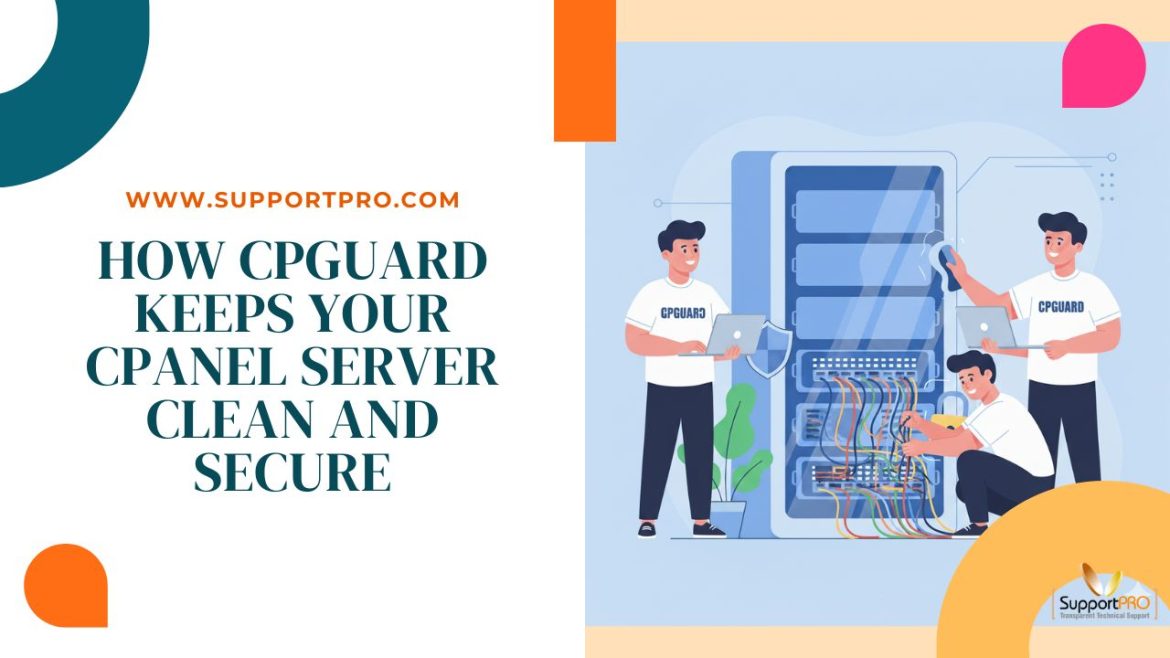
If you run a cPanel server, you know the drill. It’s a constant battle—malware, spam, brute-force attacks, SYN flood attempts, DDoS threats, endless updates, and clients who expect things to “just work.” The last thing you need is waking up to a hacked website, seeing your IP dumped on a blacklist, or compromising your server security and network protection. That’s where cPGuard security suite comes in. It’s built specifically for web hosting security, shared hosting protection, and Linux server hardening, and honestly, it’s a lifesaver. So, what does cPGuard actually …
From Logs to Reports: Everything You Need to Know About Monitoring CPGuard Activity
When you’re managing a server, CPGuard is one of those tools you install once and forget about. It runs quietly in the background by scanning files, blocking malware, and keeping your hosting setup safe. But now and then, something acts up, or you just want to check what’s been going on under the hood. This guide helps you at this point. ll walk you through how to read and understand CPGuard’s logs from the command line on a Linux server. You’ll see where the log files are stored, how to …
If you’ve ever wrangled a server or run your own hosting setup, you already know: security isn’t optional. You need solid protection, and that’s where CPGuard comes in. It’s a tough, feature-packed security suite built for web servers. Sure, it plays nice with control panels like cPanel and DirectAdmin, but what really sets it apart for power users is the Command Line Interface—the CLI. If you like working straight from the terminal, this is your playground. Let’s dig in. I’ll show you how to get around the CPGuard CLI, use …
WP Toolkit Issues on cPanel 110.126 & 110.128: What’s Causing It and How to Fix It
If you’re managing WordPress installations through WP Toolkit on cPanel, you may have noticed strange behavior or complete non-functionality after upgrading to certain cPanel versions. Specifically, users upgrading to versions 11.110.0.65, 11.126.0.21, or 11.128.0.11 have reported that WP Toolkit and other cPanel plugin functionalities are either broken or inaccessible. After some digging, the root cause appears to be the removal of a crucial directory:/usr/local/cpanel/whostmgr/addonfeatures Let’s walk through what’s going wrong, why it matters, and how to resolve it. What Changed in cPanel 110.126 and 110.128? With the release of cPanel …
Remote Desktop Protocol (RDP) is a widely used tool for managing virtual private servers (VPS) and dedicated servers. However, under certain network conditions, users may encounter issues such as RDP sessions hanging or frequent connection drops. One effective solution to improve the stability of RDP connections is to disable UDP support and rely solely on the TCP protocol. TCP is often more reliable and stable in adverse network environments, making it a preferred option for remote server management. In this article, we will explore how to disable UDP for RDP …
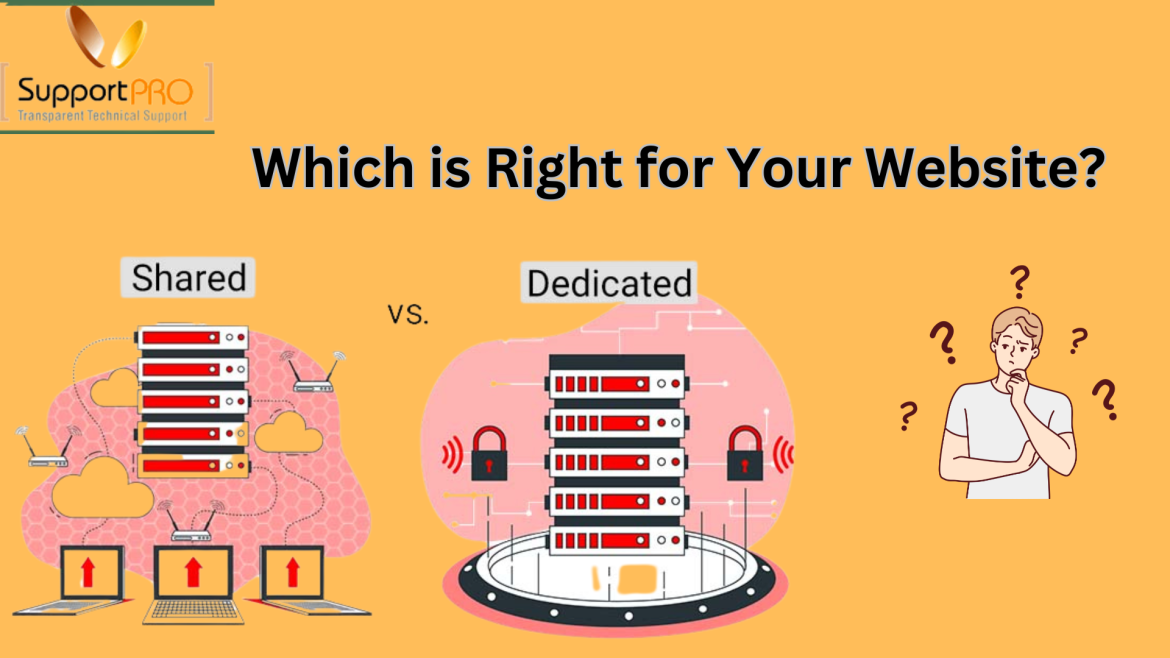
In the digital age, having a robust and reliable online presence is essential for businesses of all sizes. As your website grows, so do the demands on your server. For many, shared hosting solutions work well initially. Still, as traffic increases and the need for enhanced security and performance becomes apparent, the question arises: When do you need dedicated server support for your website? Understanding Dedicated Server Hosting Before diving into the specifics, it’s essential to understand what dedicated server hosting entails. Unlike shared hosting, where multiple websites share the …
Dedicated Server Support vs Shared Hosting: Which Is Right for Your Website?
Choosing the right hosting solution is one of the most important decisions when launching or managing a website. Your hosting type directly impacts your website’s performance, security, scalability, and overall user experience. Among the many hosting options available today, shared hosting and dedicated server support are two of the most commonly used solutions. Shared hosting is a popular choice for beginners and small websites because it is affordable and easy to manage. On the other hand, dedicated server support provides exclusive server resources, enhanced security, and greater customization, making it …