
No one can forget a 403 error in Google Cloud. The resource in question was validated to be present, and the permissions seemed to be set up correctly. However, met with a 403 Permission Denied message. If you’ve ever been there, you know how annoying this error can be. So let’s slow this down and talk about what a 403 error really means, why it keeps popping up, and how to usually fix it in the real world. What a 403 Error in Google Cloud Actually Means ? A 403 …
Cloud
Introduction The DevOps movement has changed the way software teams work, from build and test to deployment and release. DevOps reduced time to release and increased software quality by focusing on collaboration, automation, and feedback. An integral piece to this is CI/CD (Continuous Integration and Continuous Delivery/Deployment). But in today’s world, companies don’t deploy to only one cloud. They frequently operate in multi-cloud using a combination of AWS, Azure, Google Cloud and even on-premises. Pipelines through such various infrastructure are difficult to operate. In this blog, we will try to …
Let’s be real that the cloud isn’t just some buzzword anymore. It’s where almost everything runs these days. By 2025, most companies will be living almost entirely on cloud infrastructure. And honestly, it makes sense. The big platforms like AWS, Google Cloud, and Microsoft Azure give you endless power, worldwide reach, and the ability to scale up or down in minutes. Discover how cPanel & WHM streamline server management on AWS, Azure, and GCP. Get more control, security, and flexibility
Affordable Hybrid Cloud Strategies
Introduction Cloud adoption has revolutionized business operations, but the biggest challenge for most businesses is to reconcile performance and cost. Businesses centered solely on the public cloud end up with skyrocketing bills, while those centered on private, in-house infrastructure struggle to expand fast. That is why the hybrid cloud model, which is an integration of private and public clouds, has become a common practice. Hybrid cloud model provides organizations with the benefits of using both public solutions such as AWS, Google Cloud, and Azure, and private infrastructure. But without an …
As healthcare organizations continue to adopt cloud technology, compliance is no longer just a legal checkbox—it is a critical operational requirement. Cloud platforms offer flexibility, scalability, and cost efficiency, but they also introduce new risks when sensitive patient data is involved. For healthcare providers in the United States, protecting patient data means complying with the Health Insurance Portability and Accountability Act (HIPAA). The challenge lies in maintaining HIPAA compliance while fully benefiting from cloud infrastructure. This requires a clear understanding of responsibilities, strong security controls, and well-defined governance practices. This …
With cloud computing taking centre stage for modern digital business operations, a bundle of associated tasks have become a mainstay such as ensuring compliance and security. With cyberthreats evolving everyday, becoming more and more sophisticated the need to proactively stay ahead of potential threats is critical, irrespective of business size. This demands in-depth knowledge of what your business needs and the relevant upgrades and modifications. While in-house teams can help a little, managed cloud services offer an unmatched level of precision and agility. In this article we help you learn …
If you have been using cloud services, you must be familiar with Amazon Web Services, Google Cloud, and Azure, the three most prominent players in the cloud computing industry. Although you can adopt a multi-cloud strategy and work with all three, most entrepreneurs want to stick to a single cloud service provider. Each option we’ve discussed in this post is popular for its exceptional services. We’ll compare them on the basis of services, cloud infrastructure, perks, pricing, and other parameters to help you make an informed decision. Understanding Cloud Computing …
As businesses move more applications and sensitive data to the cloud, security is no longer optional—it’s critical. Cloud platforms make work faster, scalable, and easier to manage, but if security is overlooked, they can also expose businesses to serious risks. Most cloud security incidents do not happen because the cloud itself is unsafe. Cyberattack, data leaks, and account takeovers are increasing, and many of them happen because of misconfigurations or human mistakes. While cloud service providers offer strong built-in security features, protecting your data is a shared responsibility. Below are …
The rising penetration of the cloud and the need for securing workloads of the Google Cloud Platform are the need of the hour. GCP also provides a strong foundation for security controls. As such, customers have a responsibility to implement workload-specific security controls that rectify misconfiguration, unauthorized use, and growing threats. The increasingly complicated cloud structures and flexibility of services make security prioritization critical for evaluating deployment patterns of the future. Equally vital is maintaining agility and scalability through a combination of strategic monitoring and operational efficiency through best support …
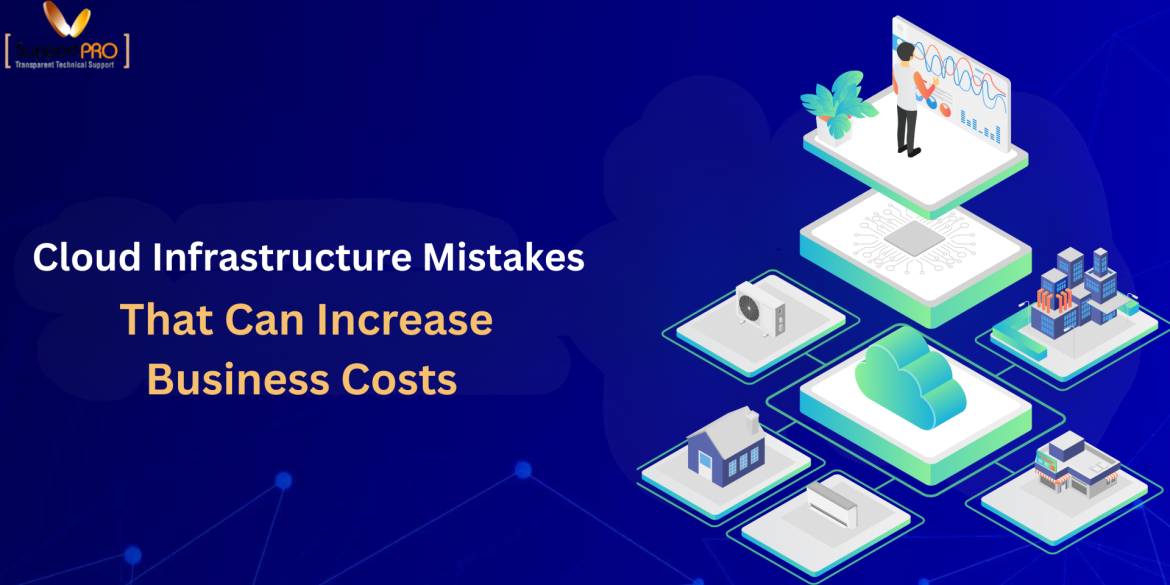
These days, nearly every business relies on AWS or Google Cloud to power its operations. But here’s the problem: the cloud bills keep climbing higher each month, sometimes with no clear explanation. The convenience of spinning up resources with a few clicks comes with a hidden tradeoff of financial sprawl that creeps up until it becomes a budgetary crisis. Why This Happens: Getting Started with Cloud Cost Savings Before cutting down your cloud expenses, you need to understand what you’re actually paying for. Both AWS Management and GCP Support have …