In the realm of secure communication and remote server management, SSH (Secure Shell) stands out as a fundamental tool. While SSH is often associated with remote server access, it has a lesser-known but incredibly powerful feature called SSH Port Forwarding. This feature allows users to securely forward traffic from one machine to another, making it invaluable for securely accessing remote services, bypassing firewalls, or creating encrypted tunnels. This blog covers an in-depth look at SSH Port Forwarding, its types, practical use cases, and detailed steps to configure it. What is …
Server
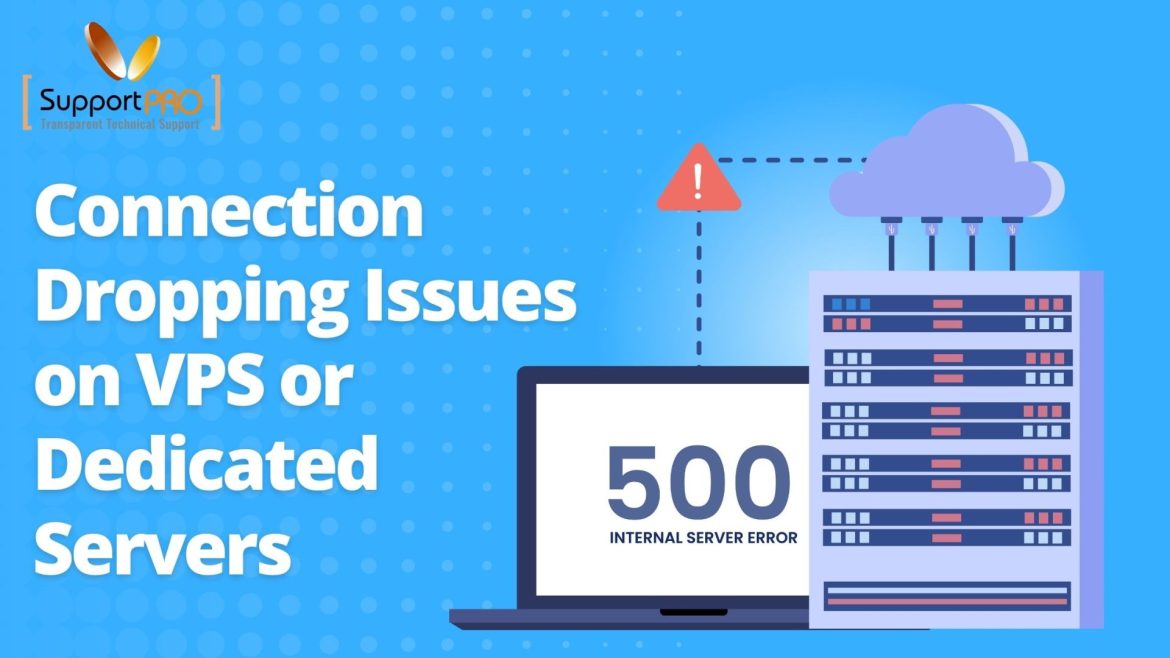
Remote Desktop Protocol (RDP) is a widely used tool for managing virtual private servers (VPS) and dedicated servers. However, under certain network conditions, users may encounter issues such as RDP sessions hanging or frequent connection drops. One effective solution to improve the stability of RDP connections is to disable UDP support and rely solely on the TCP protocol. TCP is often more reliable and stable in adverse network environments, making it a preferred option for remote server management. In this article, we will explore how to disable UDP for RDP …
The “An Internal Error Has Occurred” message is one of the most common errors encountered by users trying to connect to a remote server using the Remote Desktop Protocol (RDP). While the error doesn’t provide much information about the cause, it can be frustrating when attempting to manage a remote system. Fortunately, there are several effective solutions to resolve this issue. Common Causes of the Error 1. Network or Connectivity Issues: Temporary issues with your local or remote network can interrupt the RDP connection. 2. Incorrect RDP Configuration: Misconfigured RDP …
Modern infrastructure demands more than just uptime; it requires automation, proactive monitoring, airtight security, and scalability. The right server management tool helps businesses prevent downtime, optimize performance, and maintain complete control over their environments. Whether you’re an IT team managing enterprise systems, a hosting provider handling multiple clients, or a developer maintaining production servers, choosing the right software can dramatically improve efficiency and reliability. This guide compares the best server management tools available today, including their features, strengths, and ideal use cases. What Are Server Monitoring Tools? Server monitoring tools …
Are you feeling overwhelmed by the prospect of server migration? Many businesses find themselves at a crossroads, needing to upgrade their infrastructure but still figuring out where to begin. The thought of potential downtime, data loss, or compatibility issues can be paralyzing. But what if we told you that a successful server migration service doesn’t have to be a nightmare? With the right approach, you can transform this daunting task into a smooth, efficient process that propels your business forward. In this post, we’ll guide you through 5 Essential Server …
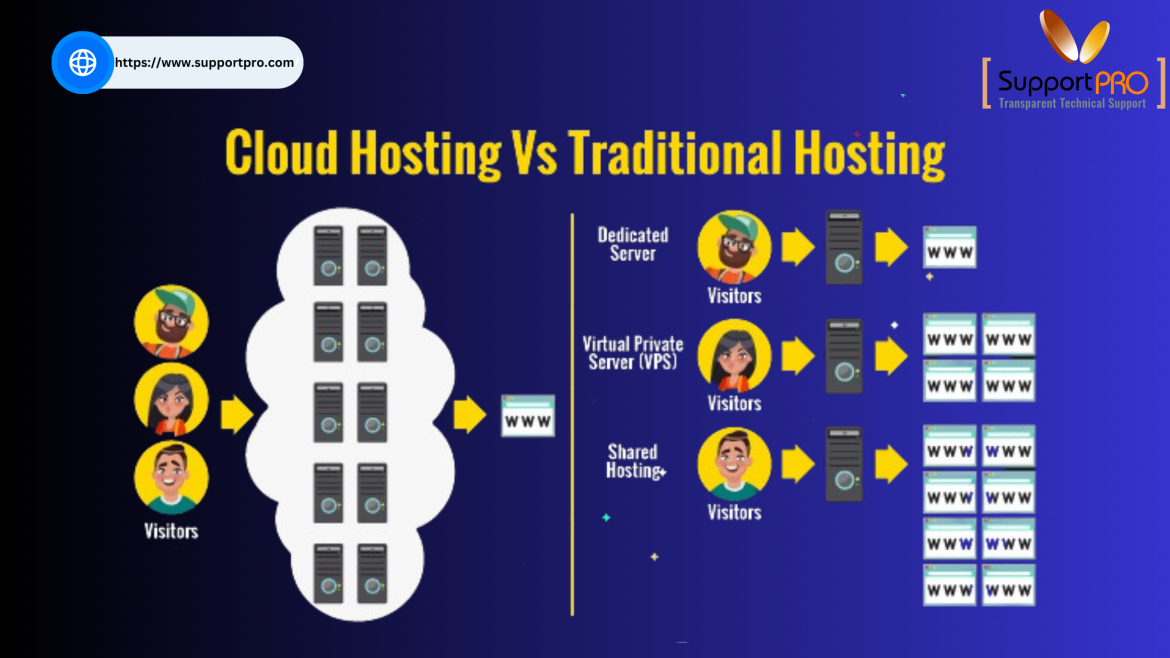
Cloud Hosting vs. Traditional Hosting: Which One is Best for Your Business?
Choosing the right hosting solution is crucial for the success of any online business. With multiple options available, two of the most popular ones are cloud hosting and traditional hosting. Each has unique benefits, making the decision dependent on your business needs, budget, and goals. In this blog, we’ll compare cloud and traditional hosting to help you choose the right option for your business. What is Traditional Hosting? Traditional hosting refers to hosting solutions where your website or application is hosted on a single physical server. This can be further …
Effective server management is critical for maintaining uptime, security, and performance in modern IT environments. Whether you operate physical servers, virtual machines, or cloud infrastructure, proper server management ensures your systems remain reliable, secure, and scalable. Without proactive management, businesses face downtime, security breaches, performance bottlenecks, and unnecessary infrastructure costs. This guide explains the importance of server management, key components, best practices, and how to choose the right server management solution. What is Server Management ? Server management involves monitoring, maintaining, and optimizing servers to ensure they function efficiently and …
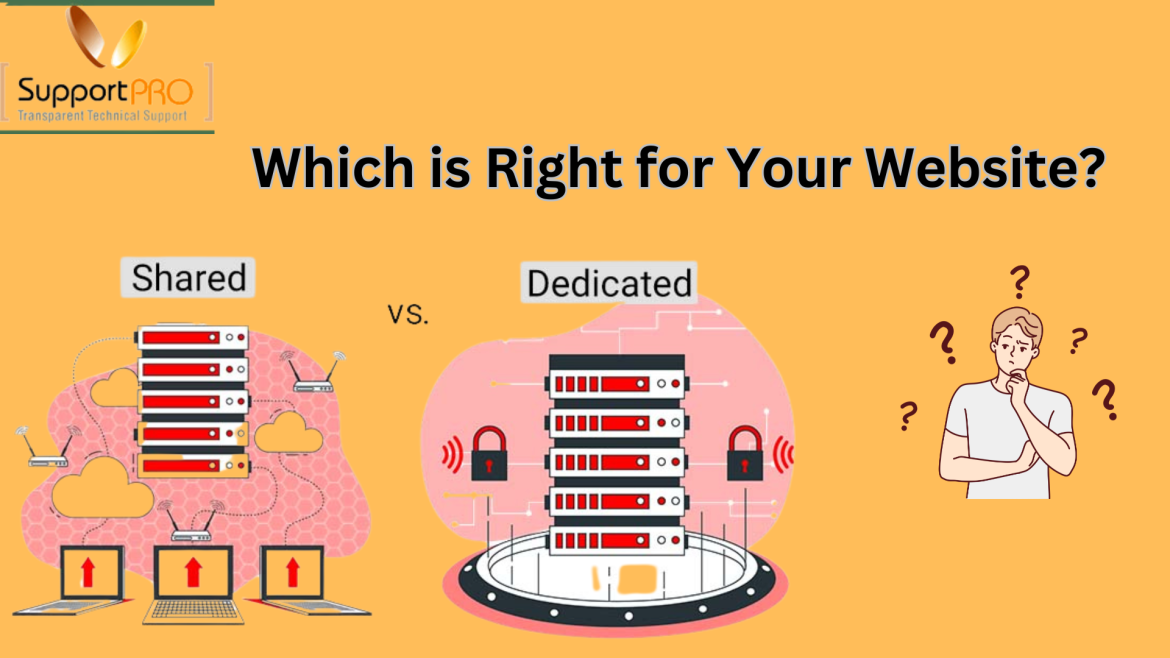
Dedicated Server Support vs Shared Hosting: Which Is Right for Your Website?
Choosing the right hosting solution is one of the most important decisions when launching or managing a website. Your hosting type directly impacts your website’s performance, security, scalability, and overall user experience. Among the many hosting options available today, shared hosting and dedicated server support are two of the most commonly used solutions. Shared hosting is a popular choice for beginners and small websites because it is affordable and easy to manage. On the other hand, dedicated server support provides exclusive server resources, enhanced security, and greater customization, making it …
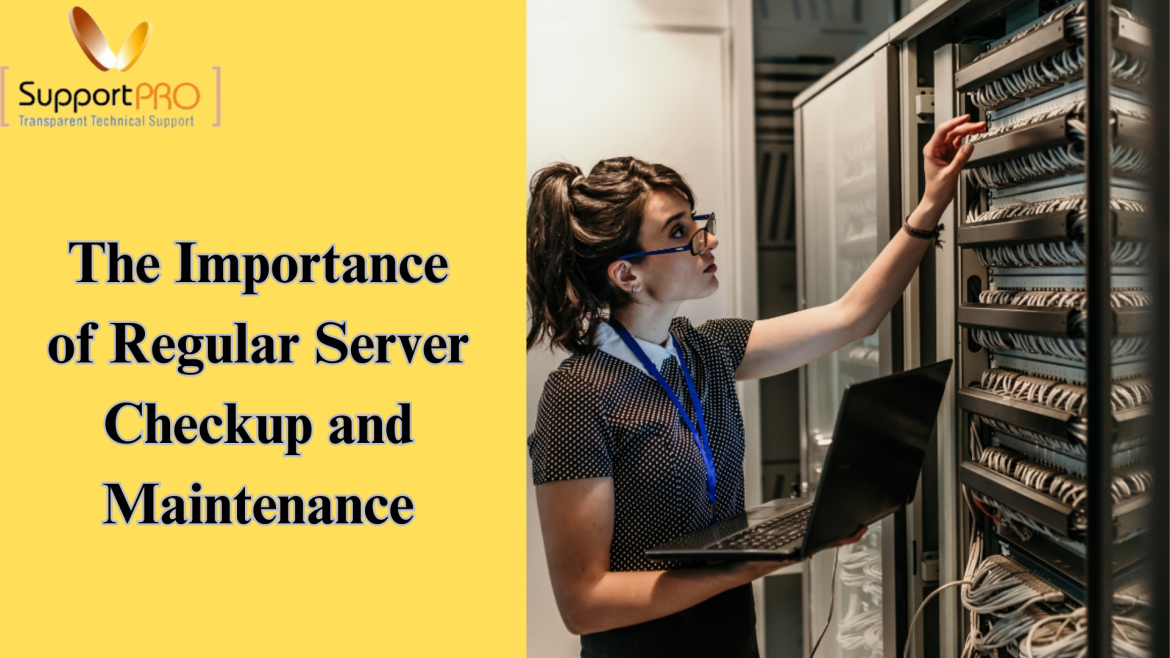
Server maintenance is the foundation of a stable, secure, and high-performing IT infrastructure. Without regular maintenance, servers become vulnerable to downtime, security breaches, and performance degradation; all of which can directly impact business continuity and revenue. In this guide, we’ll break down why server maintenance matters, what it includes, and the best practices to keep your infrastructure running efficiently. The Consequences of Neglecting Server Checkup and Maintenance Neglecting regular server checkups and maintenance can have severe consequences for businesses. A malfunctioning or compromised server can disrupt productivity, leading to downtime …
In today’s highly competitive digital landscape, website performance plays a crucial role in determining the success of businesses online. Slow loading speeds and frequent server downtime can frustrate users and negatively impact search engine rankings. That’s where dedicated server support comes in. Businesses can ensure optimal website performance and user experience with a dedicated server support system. Unlike shared hosting, dedicated servers offer exclusive resources and higher levels of security, resulting in faster load times and enhanced reliability. By eliminating the risk of server overload and excessive downtime, dedicated servers …