

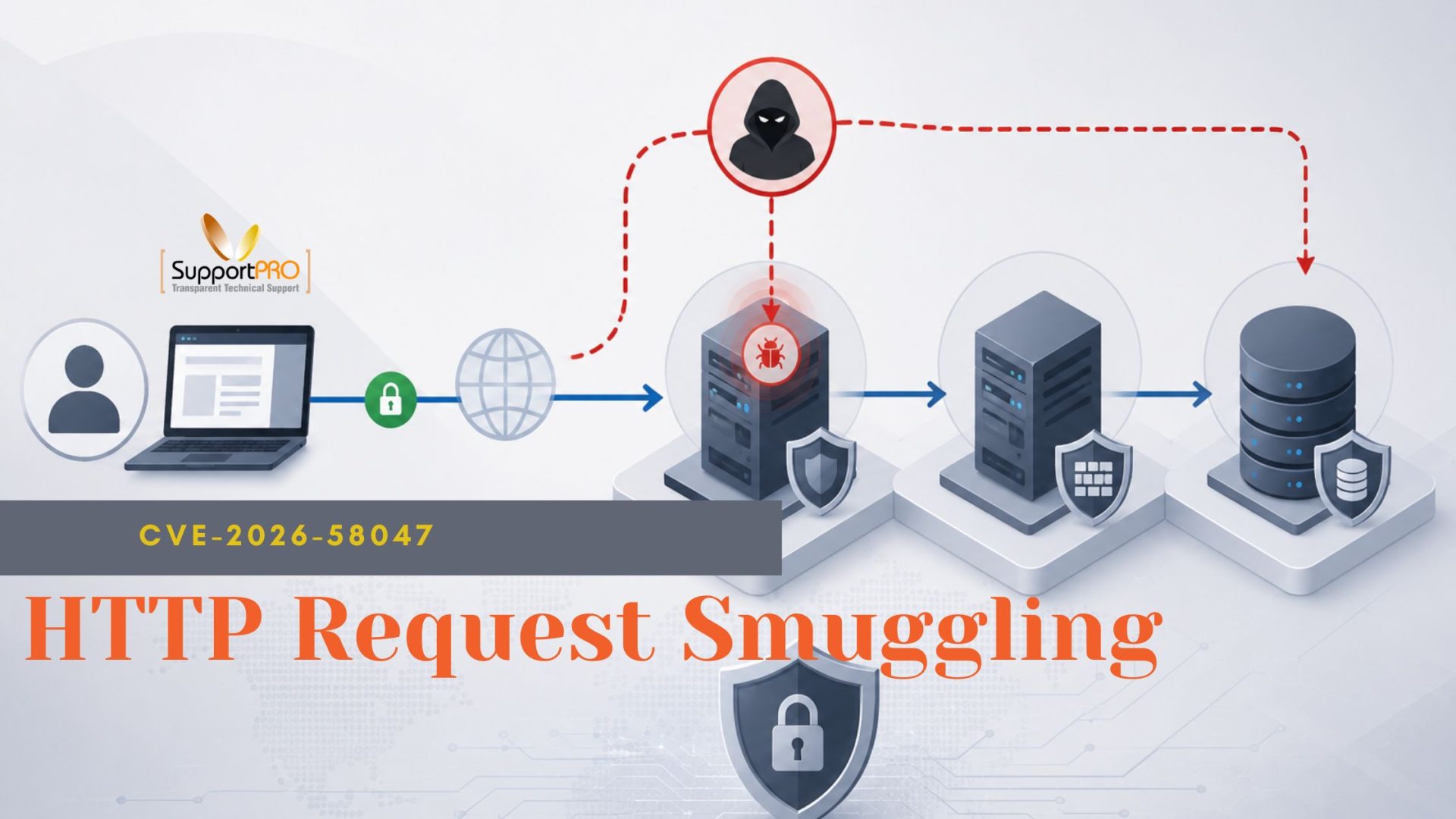
Security issues that target hosting control panels can cause problems because these panels often manage many websites, email services and user accounts from one place. A recent issue is CVE-2026-58047 a problem that affects cpsrvd the web service that handles requests to cPanel and WHM interfaces.
The problem is part of a group called HTTP Request Smuggling. This does not mean a server is definitely broken. It gives attackers a way to change how web requests are seen by different parts of the system. If the issue remains unresolved, this vulnerability could expose hosting setups to potential risks.
What is cpsrvd?
The cpsrvd service is a part of cPanel and WHM. It handles HTTP and HTTPS requests for admin areas, login processes, API calls and other management tasks.
Because it is at the front of admin tasks any problem in cpsrvd needs to be dealt with right away. Issues in this service can affect how requests are handled before they get to back-end apps.
Importance of cpsrvd
The cpsrvd service is important because it does key things that keep the system working well and running smoothly.
- It connects management apps with system parts.
- It handles configuration requests. Makes system changes.
- It checks the status of services. Gives reports.
- It helps make sure that control functions keep working properly.
Understanding HTTP Request Smuggling
HTTP Request Smuggling happens when two systems, like a front-end proxy and a back-end server see the end of an HTTP request
Of handling one request as planned the back-end might unknowingly take in hidden or part of a fake request. This difference gives attackers a chance to avoid handling and mess with how the app works.
Even though it depends on how the server’s set up where requests go and how it is built HTTP Request Smuggling has been linked to risks like:
- Changing requests
- Issues with logging in
- Putting bad stuff in caches
- Bypassing security rules
- Getting into back-end resources without permission
These kinds of attacks are especially bad when many services share the same way of handling requests.
Why CVE-2026-58047 Matters
Many hosting providers and system administrators rely on cPanel to manage their servers. Because the cpsrvd service is responsible for handling administrative requests, even a minor flaw in its communication protocol can have significant security implications and deserves careful examination.
Someone who exploits HTTP Request Smuggling could change how requests go between parts of the system. This could create situations the app never intended.
Although the exact effect depends on how the system’s set up and what software is used companies should see this as a big security issue because admin interfaces often have high access levels.
Affected Product Versions
| Product | Affected Versions | Patched Versions |
| cPanel/WHM | All supported version | 11.110.0.13711.126.0.7811.134.0.4811.136.0.32138.1.6 (WP2) |
Potential Security Risks
Organizations that use versions of cPanel should know what could happen.
Request Confusion
If requests are not parsed right back-end systems might handle requests that look real but are not meant to be.
Security Control Bypass
Some checks or validations might only look at the request letting hidden ones get through to back-end services.
Session Manipulation
In some cases attackers could mess with the order of requests or logged-in sessions if other issues are there.
Operational Impact
Unexpected request handling might affect how reliable services are or how admin tasks work in places with lots of activity.
It is important to know that exploiting this usually needs more than the vulnerability itself.
Recommended Mitigation Steps
Organizations should fix this soon as possible once the vendor has a fix.
1. Update cPanel Right Away
Getting the security updates is the best way to protect. Admins should check that all live servers are using the updated versions and not wait long.
2. Check Reverse Proxy Settings
HTTP Request Smuggling often uses differences between end and back-end servers. Admins should make proxy, load balancer and web server settings are correct.
3. Watch Admin Logs
Look for request patterns, broken HTTP headers, many failed attempts or odd admin activity that might show someone is trying to use the problem.
4. Limit Admin Access
Admin areas should never be open to the web. Use things like VPNs, IP lists, firewalls or strict access rules to stop many people from getting in.
5. Keep Checking for Vulnerabilities
checks for security issues making sure updates are in place and watching for risks helps reduce chances of problems and makes servers stronger.
Best Practices for Long-Term Protection
Security works better when it is a thing, not just a one-time fix.
Organizations should:
- Fix security issues quickly.
- Use logs and monitoring.
- Check exposed areas often.
- Use the possible access for admin accounts.
- Check security regularly.
- Test systems after big software updates.
Using these steps makes it less likely that attacks will work against hosting systems.
Conclusion
CVE-2026-58047 shows how problems at the protocol level can affect parts like cpsrvd. Even though HTTP Request Smuggling sounds very technical, it can have effects beyond just handling requests. Admin areas are targets so fixing issues fast and setting up things securely is important.
Organisations using cPanel should first check if they are on a version. If they are they should install the security updates from the vendor as soon, as possible. They should also keep checking services for anything that looks strange or dangerous.
Protecting your hosting environment starts with timely patching and proper security configuration. If you’re unsure whether your cPanel or WHM servers are affected by CVE-2026-58047, the experts at SupportPRO can help.
Our team can assess your servers, apply security updates, review configurations, and strengthen your infrastructure against HTTP Request Smuggling and other emerging threats.
Contact SupportPRO today for a professional security assessment and keep your cPanel servers secure.
Facing issues?
Our technical support
engineers can solve it.


