
Automation platforms like OpenClaw help organizations streamline workflows, reduce manual effort, and improve operational efficiency. However, as workflows become more complex and integrations increase, errors can occasionally occur. From workflow execution failures and API integration issues to data mapping problems and performance bottlenecks, troubleshooting OpenClaw effectively requires a structured and methodical approach. This guide explores the most common OpenClaw errors, their root causes, and practical solutions to help administrators and developers quickly identify and resolve issues. Understanding OpenClaw Troubleshooting Before diving into specific problems, it’s important to understand how OpenClaw workflows operate. OpenClaw processes tasks through a combination of: When failures occur, they typically fall into one of the following categories: Identifying the category of the issue significantly speeds up …
OpenClaw
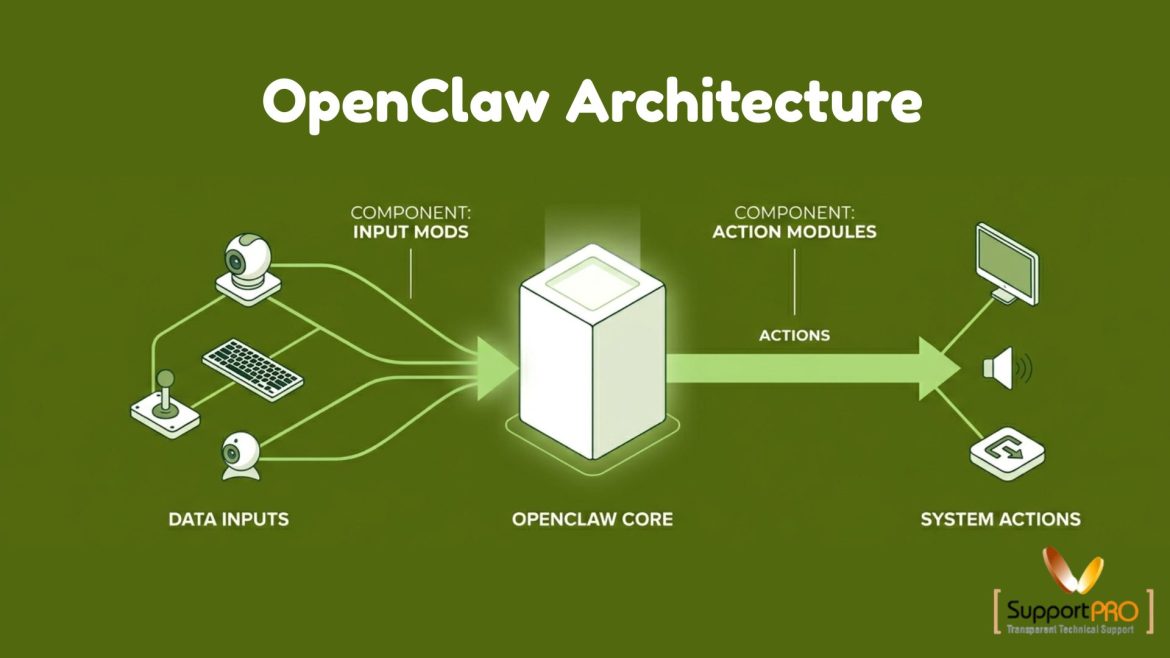
OpenClaw Architecture Guide: Understanding Its Core Components and Workflow
Modern software platforms rely on carefully designed architectures to ensure performance, scalability, and reliability. Understanding how a system operates internally helps developers, system administrators, and IT professionals troubleshoot issues, optimize performance, and extend functionality more effectively. OpenClaw is built on a modular architecture that separates responsibilities into distinct layers. This design enables efficient processing, easier maintenance, and improved scalability while allowing components to work together seamlessly. In this guide, we’ll explore the core components of OpenClaw architecture, understand how data flows through the system, and examine the architectural principles that make it flexible and reliable. High-Level Overview of OpenClaw Architecture At its core, OpenClaw follows a modular design pattern. Each component performs a specific role while communicating with other modules …