
A Slowdown With No Obvious Cause A server doesn’t need a CPU spike or a memory leak to grind to a halt. Sometimes, the real problem is something much simpler: a log file that quietly grew until there was nowhere left to write. That’s exactly what happened in a recent production incident, and it’s a pattern support teams run into more often than most dashboards would suggest. The issue first came to our attention when users reported that the application had become unusually slow. Page loads were dragging, scheduled jobs were taking far longer than usual, and even SSH sessions felt sluggish. None of it pointed to an obvious culprit; CPU usage sat comfortably under 30 per cent, and memory …
Server
In a hosting environment, you often have to automate things. Whether you’re provisioning accounts, managing backups, integrating billing systems or monitoring server performance, the WHM API makes these tasks faster and more efficient. But with this convenience comes responsibility. The WHM API provides administrative access to core server functions. If such access is left unsecured, attackers may create accounts, change configurations, access sensitive data, or disrupt services. One exposed credential can lead to severe security incidents. This blog will explain WHM API authentication, how to secure API tokens, how to implement IP restrictions, and security best practices to maintain a secure server environment. Understanding WHM API Authentication In the past, many administrators simply used usernames and passwords for authenticating API …
How to Troubleshoot Production Server Crashes: A Practical Incident Response Framework
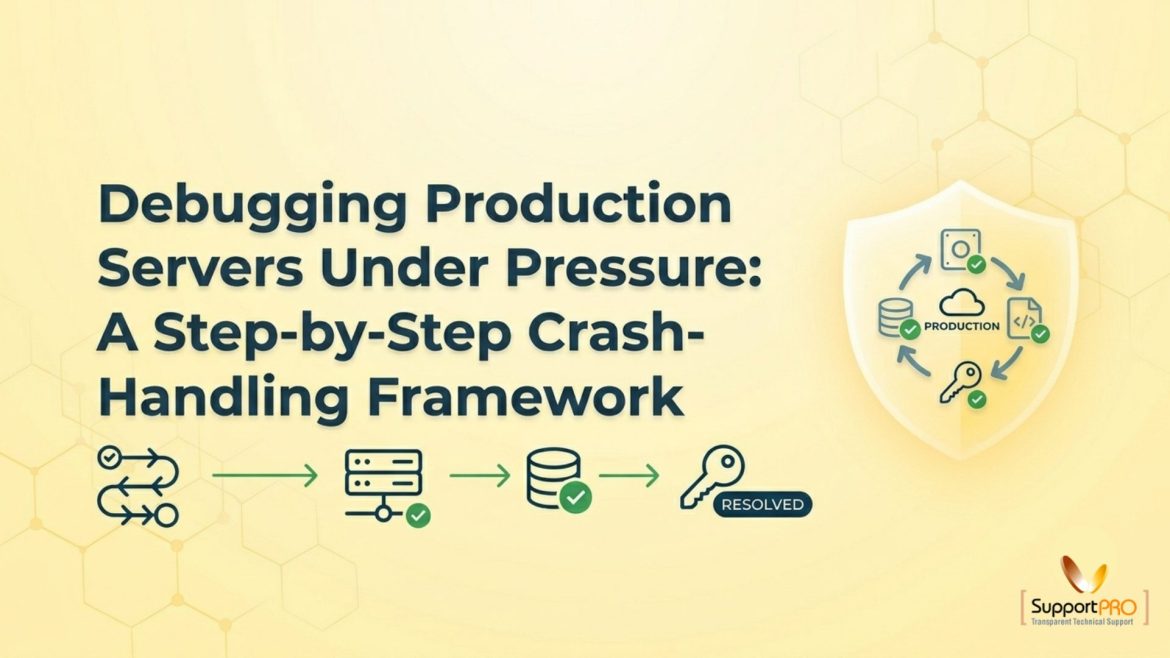
Production incidents rarely happen at convenient times. Whether it’s a sudden server crash, an unexpected CPU spike, a memory leak, or a system-wide outage, the pressure to restore services quickly can be overwhelming. During these critical moments, having a structured troubleshooting process is often the difference between a fast recovery and a prolonged outage. The most successful operations teams don’t rely on guesswork during incidents. Instead, they follow a systematic incident response framework that helps them stabilize services, identify root causes, and restore normal operations with minimal disruption. In this guide, we’ll walk through a practical, step-by-step framework for debugging production servers under pressure and handling common infrastructure failures effectively. Why a Structured Incident Response Process Matters When systems fail, …
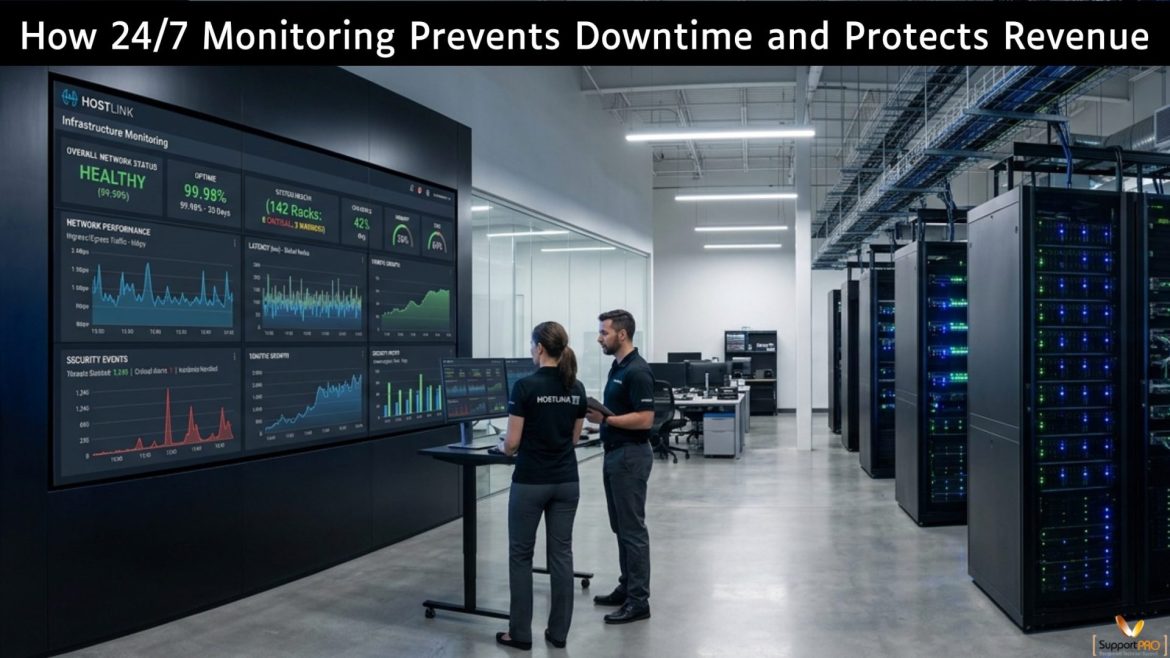
In the web hosting industry, uptime isn’t just about technical metrics; it seriously affects customer satisfaction, how long they stick around, and business growth. Hosted sites need to run non-stop, so any brief outage can spark complaints, frustrate users, and cost companies revenue and clients. With more competitors popping up all the time, hosting firms must prevent those unplanned hiccups at all costs. Downtime usually catches us off guard. Server spikes, hardware crashes, network slowdowns, app glitches, and security hazards often start small but turn major. If we don’t keep an eye on things, these problems might only get noticed when customers are affected, and operations slow down. That’s why non-stop monitoring matters. Instead of waiting for customer complaints, real-time …
How to Build a Server Management Service as a Revenue Stream for Hosting Businesses
Today, many businesses rely on servers to run websites, applications, and online services, creating a strong opportunity for hosting companies to expand into server management as a recurring revenue service. Instead of generating one-time infrastructure sales, server management provides predictable recurring revenue through ongoing support, maintenance, and optimization. By keeping client servers secure, stable, and high-performing, hosting providers can build long-term customer relationships while creating a reliable new income stream. 2. What Is a Server Management Service? A server management service means taking care of a server on behalf of a customer so that their websites, applications, or online systems run smoothly without technical problems. Typically, the service includes keeping an eye on server performance, installing updates, resolving issues, enhancing …
2026 hasn’t been kind to cPanel environments so far. A few serious vulnerabilities have already forced hosting providers to patch quickly, and in some cases, restrict access to WHM entirely until fixes were applied. Since cPanel & WHM is used on a massive number of shared hosting servers, even a single exploit ends up being a widespread problem pretty fast. CVE-2026-41940 — the one everyone kept talking about The main issue that stood out this year was CVE-2026-41940. It’s an authentication bypass in cPanel & WHM. In simple terms, it meant attackers could potentially reach cPanel or WHM without having valid login credentials in some cases. That alone is enough to make it critical, especially because WHM gives full server-level …
The internet depends heavily on web servers and reverse proxies to deliver websites, APIs, and cloud applications securely and efficiently. One of the most widely used technologies in this space is NGINX, trusted by enterprises, startups, cloud providers, and DevOps teams worldwide. In May 2026, cybersecurity researchers disclosed a critical vulnerability named NGINX Rift, tracked as CVE-2026-42945. What makes this discovery especially alarming is that the flaw reportedly remained hidden inside the NGINX codebase for nearly 18 years before being identified. The vulnerability affects the ngx_http_rewrite_module and can potentially allow attackers to crash services or execute malicious code remotely under specific conditions. Because NGINX powers a significant portion of internet-facing infrastructure, the vulnerability immediately attracted attention from security teams, cloud …
Dirty Frag: Universal Linux LPE
Dirty Frag is a vulnerability in Linux that allows an attacker to gain higher access or permissions than they are normally allowed on the system This vulnerability was disclosed earlier than planned due to an embargo break, which means information about the vulnerability was released publicly before the agreed-upon disclosure date. It’s a part of Linux kernel page cache exploits — following Dirty Pipe (2022) and Copy Fail (earlier this year). What are Linux kernel page cache exploits? The page cache in Linux is a system memory area where frequently accessed file data is temporarily stored. It speeds up file operations because reading from memory is faster than reading from disk. However, if an attacker can manipulate the page cache …
7 Critical Actions for Every cPanel & WHM Server Owner to Take Following the Security Update 04/28/2026
The recent cPanel & WHM Security Update 04/28/2026 has stirred up quite a bit of commotion in the web hosting and infrastructure communities. According to cPanel & WHM, vulnerabilities in authentication paths affect all supported versions. For companies operating their own servers, it is crucial to act promptly as this situation poses severe risks to server security and potentially leads to service outages. April 2026 Security Update Overview The current issue lies in the authentication mechanisms, which are responsible for accessing server resources. By exploiting these vulnerabilities, attackers may attempt to: It impacts: Why This Issue is Important It is essential to understand that this update relates to a significant security risk and not just a technical one. Primary Concerns …
In today’s hosting landscape, security threats evolve faster than most teams can keep up with. Malware authors constantly refine their techniques, exploit new vulnerabilities, and look for any weak point in a server’s configuration. For hosting companies, server admins, and developers who prioritize security, the real difficulty isn’t simply finding threats – it’s ensuring detection happens reliably, quickly, and without depending on manual effort. That’s where CPGuard’s Command Line Interface (CLI) becomes a powerful ally. CPGuard has long been known as a robust security suite for cPanel servers, offering malware scanning, file monitoring, exploit detection, and a range of protective features. But the CLI component is often overlooked, even though it unlocks some of the most valuable automation capabilities. When …