Modern infrastructure demands more than just uptime; it requires automation, proactive monitoring, airtight security, and scalability. The right server management tool helps businesses prevent downtime, optimize performance, and maintain complete control over their environments. Whether you’re an IT team managing enterprise systems, a hosting provider handling multiple clients, or a developer maintaining production servers, choosing the right software can dramatically improve efficiency and reliability. This guide compares the best server management tools available today, including their features, strengths, and ideal use cases. What Are Server Monitoring Tools? Server monitoring tools track the health and performance of your server. These tools provide real-time metrics on various server aspects such as CPU load, memory usage, and disk space. They can also alert …
server management
Why Server Monitoring is Crucial for Business Continuity and Performance
In an increasingly digital landscape, maintaining the health and performance of servers is fundamental to any business’s success. As companies rely on online operations, e-commerce, cloud computing, and enterprise software, ensuring uninterrupted service and robust server performance is more critical than ever. Server monitoring is the first defense against issues that could disrupt business continuity and degrade performance. This blog will explore why server monitoring is essential, how it impacts business continuity, and the various aspects of server management that keep businesses running smoothly. What is Server Monitoring? Server monitoring refers to continuously checking and tracking a server’s performance, health, and status. This includes monitoring critical metrics such as CPU usage, memory consumption, disk space, network traffic, and uptime. The …
Maintaining your server’s health is crucial for your business’s smooth operation. A well-maintained server ensures that your applications and services run without interruptions, keeping your customers happy and your data secure. Here’s an easy-to-follow, 10-point server maintenance checklist that covers everything you need to keep your server in top shape. 1. Regular Backups Regular backups are the cornerstone of server maintenance. Without them, you risk losing critical data in the event of a failure. Ensure your backups are scheduled automatically and stored in a secure, off-site location. Test your backups periodically to confirm they can be restored successfully. Example: Imagine you run an e-commerce site, and your server crashes during a holiday sale. Regular server support and maintenance through backups …
Server Management: Importance, Best Practices & Benefits of Outsourcing
In today’s digital-first business environment, effective server management is essential for maintaining operational stability, security, and performance. Server management encompasses a wide range of activities including server setup, monitoring, maintenance, optimization, and troubleshooting, to ensure IT systems operate efficiently and securely across physical servers, virtual machines, and cloud infrastructure. For organizations that depend heavily on digital platforms and online services, properly managed servers play a critical role in minimizing downtime, protecting sensitive data, and delivering a seamless user experience. Without proactive server management, businesses risk performance bottlenecks, security vulnerabilities, unexpected outages, and rising infrastructure costs. As IT environments grow more complex, many businesses are turning to professional server management services to maintain reliable and scalable infrastructure. These services provide comprehensive …
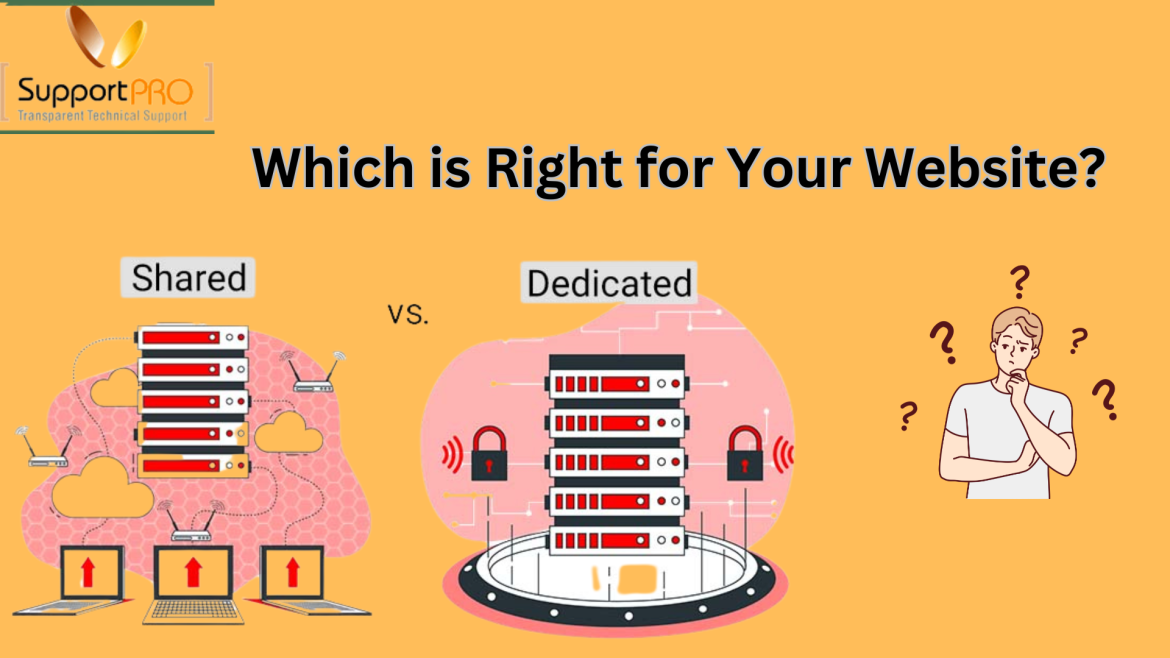
Dedicated Server Support vs Shared Hosting: Which Is Right for Your Website?
Choosing the right hosting solution is one of the most important decisions when launching or managing a website. Your hosting type directly impacts your website’s performance, security, scalability, and overall user experience. Among the many hosting options available today, shared hosting and dedicated server support are two of the most commonly used solutions. Shared hosting is a popular choice for beginners and small websites because it is affordable and easy to manage. On the other hand, dedicated server support provides exclusive server resources, enhanced security, and greater customization, making it suitable for high-traffic websites and complex applications. However, selecting the right option can be challenging because both hosting types have their own advantages, limitations, and ideal use cases. Understanding how …