
As businesses move more applications and sensitive data to the cloud, security is no longer optional—it’s critical. Cloud platforms make work faster, scalable, and easier to manage, but if security is overlooked, they can also expose businesses to serious risks. Most cloud security incidents do not happen because the cloud itself is unsafe. Cyberattack, data leaks, and account takeovers are increasing, and many of them happen because of misconfigurations or human mistakes. While cloud service providers offer strong built-in security features, protecting your data is a shared responsibility. Below are …
Cloud
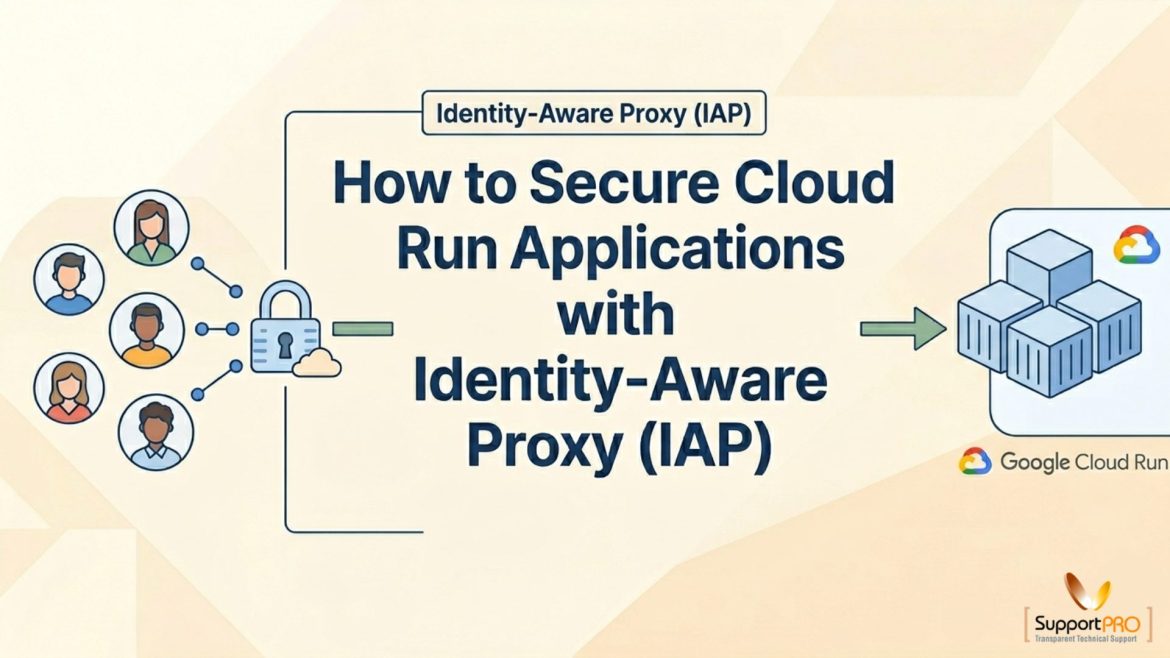
The rising penetration of the cloud and the need for securing workloads of the Google Cloud Platform are the need of the hour. GCP also provides a strong foundation for security controls. As such, customers have a responsibility to implement workload-specific security controls that rectify misconfiguration, unauthorized use, and growing threats. The increasingly complicated cloud structures and flexibility of services make security prioritization critical for evaluating deployment patterns of the future. Equally vital is maintaining agility and scalability through a combination of strategic monitoring and operational efficiency through best support …
These days, nearly every business relies on AWS or Google Cloud to power its operations. But here’s the problem: the cloud bills keep climbing higher each month, sometimes with no clear explanation. The convenience of spinning up resources with a few clicks comes with a hidden tradeoff of financial sprawl that creeps up until it becomes a budgetary crisis. Why This Happens: Getting Started with Cloud Cost Savings Before cutting down your cloud expenses, you need to understand what you’re actually paying for. Both AWS Management and GCP Support have …
FinTech companies don’t just use the cloud they depend on it. From processing payments to managing sensitive customer data, cloud infrastructure supports every critical operation. More than 80% of FinTech companies list scalability and infrastructure reliability as top priorities, and for good reason. Whether it’s a startup offering microloans or a large platform handling millions of transactions, cloud support is not optional. The right cloud setup helps avoid compliance penalties, reduces security risks, and ensures systems scale smoothly during growth. This blog explains how FinTech focused cloud support helps companies …
In 2025, cloud computing is not just a convenience—it’s the backbone of modern business operations. Whether it’s hosting critical applications, managing remote workforces, or deploying AI-powered tools, the cloud is indispensable. But as reliance on the cloud deepens, so do the complexities and risks associated with it. This is where proactive cloud support becomes not just beneficial, but absolutely necessary. In this blog, we’ll explore why proactive cloud support is essential, what it involves, and how it can give businesses a strategic edge. What is Proactive Cloud Support? Unlike traditional …
Choosing the right hosting service can feel like a big decision, especially if you’re not familiar with the technical aspects of web hosting and cloud hosting. In this guide, we’ll break down the core differences, pros, and cons of both options, helping you pick the one that best suits your business needs. Understanding Web Hosting What is Web Hosting? Web hosting is the traditional way of hosting websites. Here, your website’s data is stored on a single physical server maintained by a hosting provider. This method is ideal for smaller …
Cloud Hosting vs. Traditional Hosting: Which One is Best for Your Business?
Choosing the right hosting solution is crucial for the success of any online business. With multiple options available, two of the most popular ones are cloud hosting and traditional hosting. Each has unique benefits, making the decision dependent on your business needs, budget, and goals. In this blog, we’ll compare cloud and traditional hosting to help you choose the right option for your business. What is Traditional Hosting? Traditional hosting refers to hosting solutions where your website or application is hosted on a single physical server. This can be further …
Managed Cloud Support Services: Benefits, Costs & How to Choose the Right Provider
In today’s fast-paced digital landscape, businesses increasingly rely on cloud technology to manage operations, improve efficiency, and stay competitive. As organizations continue adopting cloud computing solutions, the need for reliable cloud support services has become essential. Cloud support services encompass a wide range of technical solutions provided by cloud managed service providers (MSPs) to help businesses deploy, manage, optimize, and secure their cloud environments effectively. These services enable organizations to maximize their cloud investments while ensuring performance, security, and scalability. In an era driven by remote work, digital transformation, and …
Meet SupportPro at CloudFest USA 2024: Pioneering IT Support in the Cloud Era
We are thrilled to announce that SupportPro, the leading provider of IT support services, will be attending CloudFest USA 2024, the premier event for cloud, hosting, and internet infrastructure professionals. It promises to be an incredible opportunity for industry leaders, innovators, and experts to converge and discuss the latest trends and technologies shaping the digital landscape. Join Us for a Special Meet-Up at CloudFest USA 2024 We are thrilled to extend an invitation to a special meet-up during CloudFest for our clients, partners, and anyone eager to learn more about …
Over the past decade, cloud computing has evolved from an emerging technology trend into a foundational component of modern digital infrastructure. Yet many organizations are still in different stages of their cloud journey. Some have already transitioned significant workloads to the cloud through cloud data migration initiatives, while others continue to evaluate whether and how cloud adoption aligns with their long-term business strategy. In 2026, the conversation around cloud adoption is no longer centered on whether cloud technology works. Instead, it has shifted toward how organizations can leverage cloud infrastructure …