Making changes directly on a live WordPress website can be risky. A plugin update, theme modification, or code change can unintentionally cause errors, downtime, or performance issues that affect visitors and customers. That’s why creating a staging environment is considered a best practice for WordPress website management.
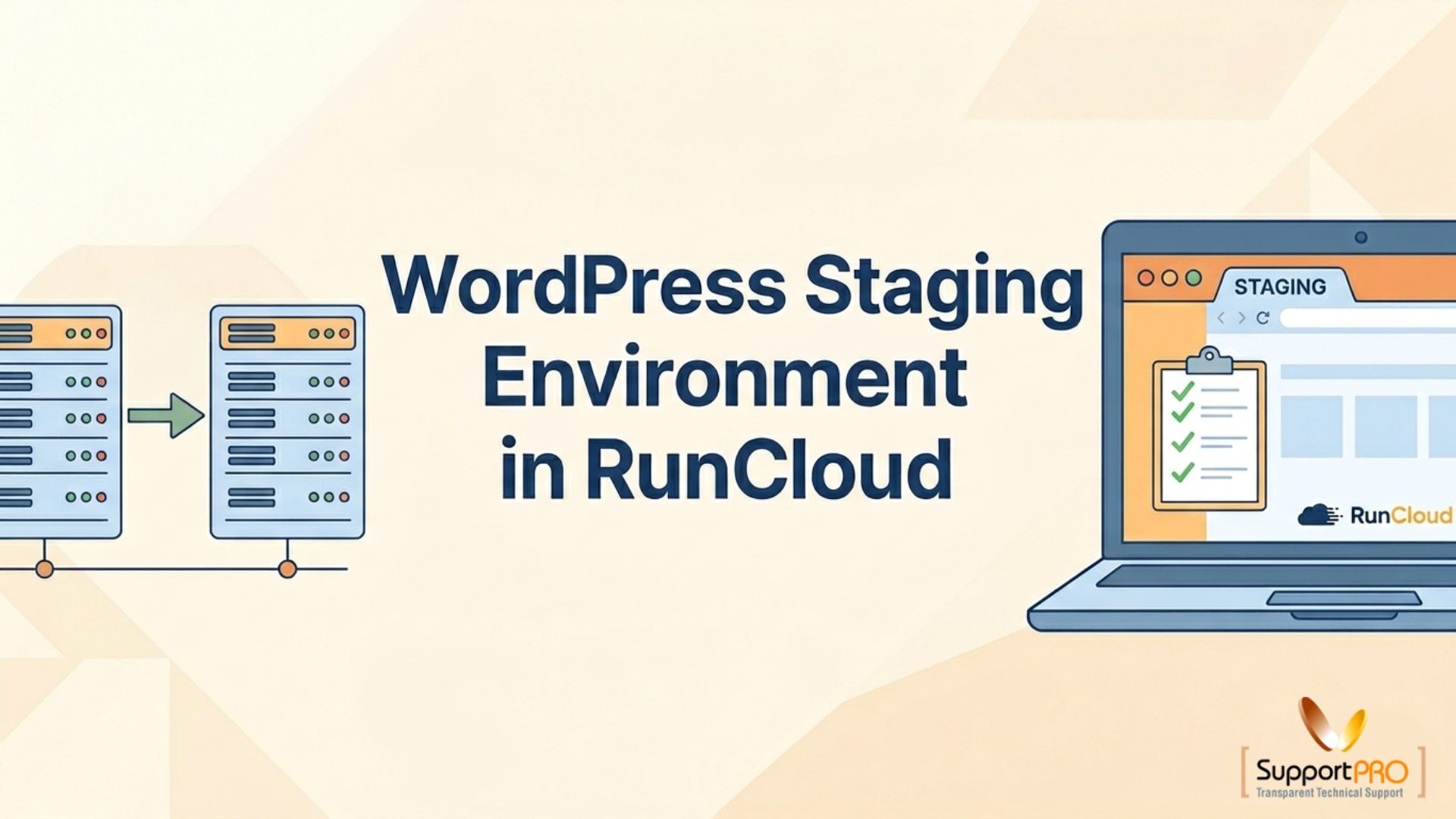
A staging environment is an exact copy of your live website where you can safely test updates, new features, design changes, and configurations before making them available to the public. RunCloud simplifies the process by allowing users to create and manage staging sites with just a few clicks.
In this guide, you’ll learn how to set up a WordPress staging environment in RunCloud and safely synchronize changes with your production website.
Why Use a Staging Environment?
Before diving into the setup process, it’s important to understand the benefits of using a staging site.
-> Safe Testing Environment
A staging environment allows you to test WordPress core updates, plugin installations, and theme customizations without affecting your live website.
-> Reduced Downtime Risk
By testing changes before deployment, you can identify and fix issues early, reducing the chances of website outages or broken functionality.
-> Better User Experience
Visitors continue to access a stable and fully functional website while you experiment with new features behind the scenes.
-> Easier Team Collaboration
Developers, designers, and content managers can review and test changes in a staging environment before publishing them to production.
Step-by-Step Guide to Creating a Staging Site in RunCloud
1. Access the Staging Feature
- Log in to your RunCloud dashboard.
- Select the WordPress application you want to create a staging site for.
- Navigate to the Staging section and click Get Started.
2. Configure Staging Settings
When setting up a staging environment, you will have several configuration options:
- Site Authentication: Enable password protection for your staging site to prevent unauthorized access.
- Discourage Search Engines: This setting ensures that search engines don’t index your staging site, preventing duplicate content issues.
- Domain Selection: Choose between a RunCloud-provided test domain or your own custom subdomain for staging.
3. Deploy the Staging Site
- After configuring the settings, click Deploy Staging.
- RunCloud will clone your live website to create the staging environment.
- Once the process is complete, you will receive a URL to access your staging site.
4. Access and Manage the Staging Site
- If you enabled Site Authentication, enter the username and password you set up earlier.
- Use this environment to test updates, install plugins, and modify themes without affecting your live website.
5. Synchronize Changes Between Staging and Live Sites
After testing, you can push changes from staging to production:
- Go to the Sync option in the Staging menu.
- Select the direction of synchronization (e.g., staging to live site).
- Choose whether to sync all database tables or just selected ones.
- Click Sync to apply the changes to your live site.
6. Delete the Staging Site (If Needed)
If the staging site is no longer required, you can delete it:
- Go to the Staging menu or the Web Application list in RunCloud.
- Click on the Delete Staging Site option.
- Deleting the staging site will not affect your live website.
Best Practices for Managing Staging Sites
To get the most value from your staging environment, follow these best practices:
- Always create a backup before syncing changes to production.
- Enable password protection to prevent unauthorized access.
- Keep search engine indexing disabled on staging sites.
- Test plugin and theme updates thoroughly before deployment.
- Verify forms, payment gateways, and user login functionality after making changes.
- Regularly refresh your staging environment with the latest production data.
Common Issues to Check Before Synchronization
Before pushing changes from staging to your live site, review the following:
- Ensure all website pages load correctly.
- Test contact forms and email notifications.
- Verify that plugins and themes function as expected.
- Check website speed and performance.
- Confirm SSL certificates are working properly.
- Review database changes to avoid overwriting important live data.
Taking a few extra minutes to validate these items can prevent unexpected issues after deployment.
Conclusion
A WordPress staging environment is an essential tool for maintaining a reliable and professional website. RunCloud makes the entire process simple by providing automated staging creation, synchronization options, and secure access controls.
Whether you’re updating plugins, redesigning pages, or testing custom code, using a staging site helps minimize risks and ensures a smooth deployment process. By following the steps outlined above, you can confidently manage changes and keep your live website running without interruptions.
Need Assistance?
If you need help setting up or managing your staging environment on RunCloud, our expert support team is here to assist you. Feel free to contact us for any troubleshooting or guidance.
Facing issues?
Our technical support
engineers can solve it.


