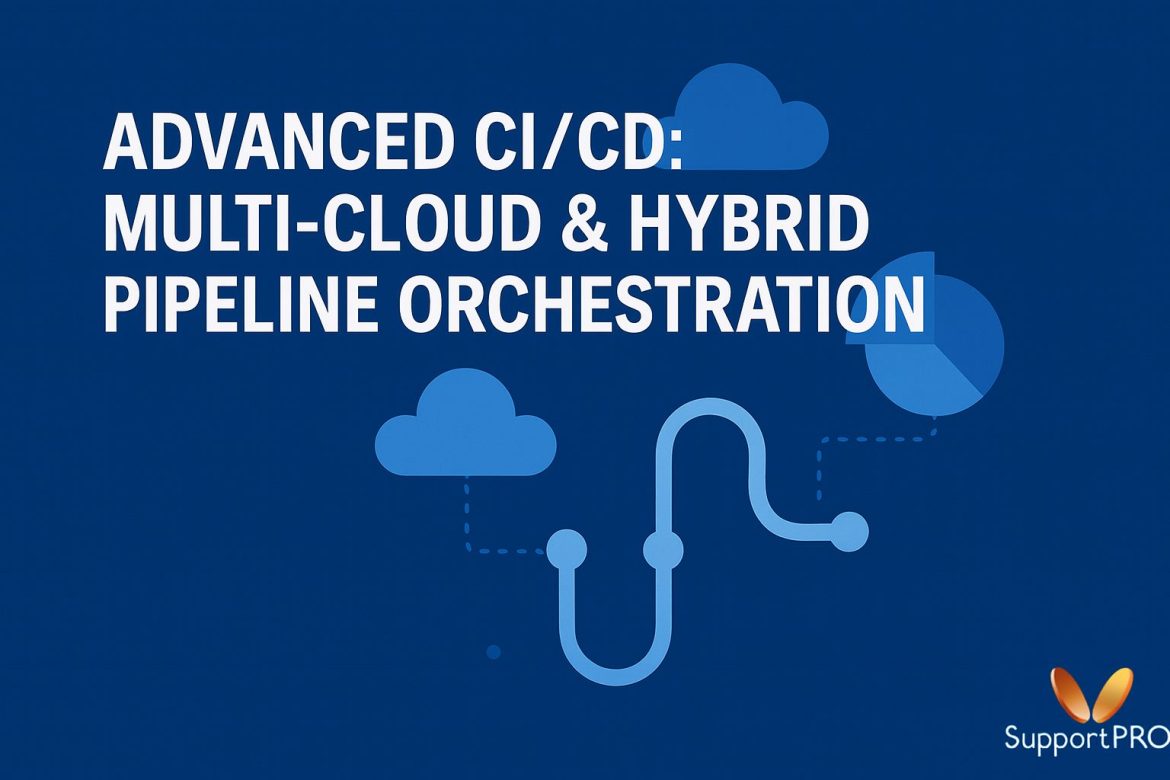
As businesses expand across regions, platforms, and regulatory environments, software delivery becomes more complex. Traditional CI/CD pipelines improve development speed, but they are not designed to manage distributed infrastructure, embedded governance, and enterprise-scale resilience. Advanced CI/CD addresses this gap by combining automation, ci/cd orchestration, policy enforcement, intelligent operations, and orchestrating application delivery in multi-cloud environment into a unified delivery framework. What Is the Difference Between Normal CI/CD and Advanced CI/CD? The difference lies in scope, governance, and operational intelligence : Normal CI/CD focuses on automating builds, tests, and deployments within a defined environment. It improves developer productivity but still relies on manual approvals, environment-specific configurations, and reactive troubleshooting. Advanced CI/CD extends automation into multi-environment orchestration, compliance enforcement, progressive delivery strategies, …
Cloud Computing
In 2025, cloud computing is not just a convenience—it’s the backbone of modern business operations. Whether it’s hosting critical applications, managing remote workforces, or deploying AI-powered tools, the cloud is indispensable. But as reliance on the cloud deepens, so do the complexities and risks associated with it. This is where proactive cloud support becomes not just beneficial, but absolutely necessary. In this blog, we’ll explore why proactive cloud support is essential, what it involves, and how it can give businesses a strategic edge. What is Proactive Cloud Support? Unlike traditional reactive support, which responds after an issue occurs, proactive cloud support anticipates, prevents, and resolves problems before they impact business operations. It includes: Think of it as having a cloud …
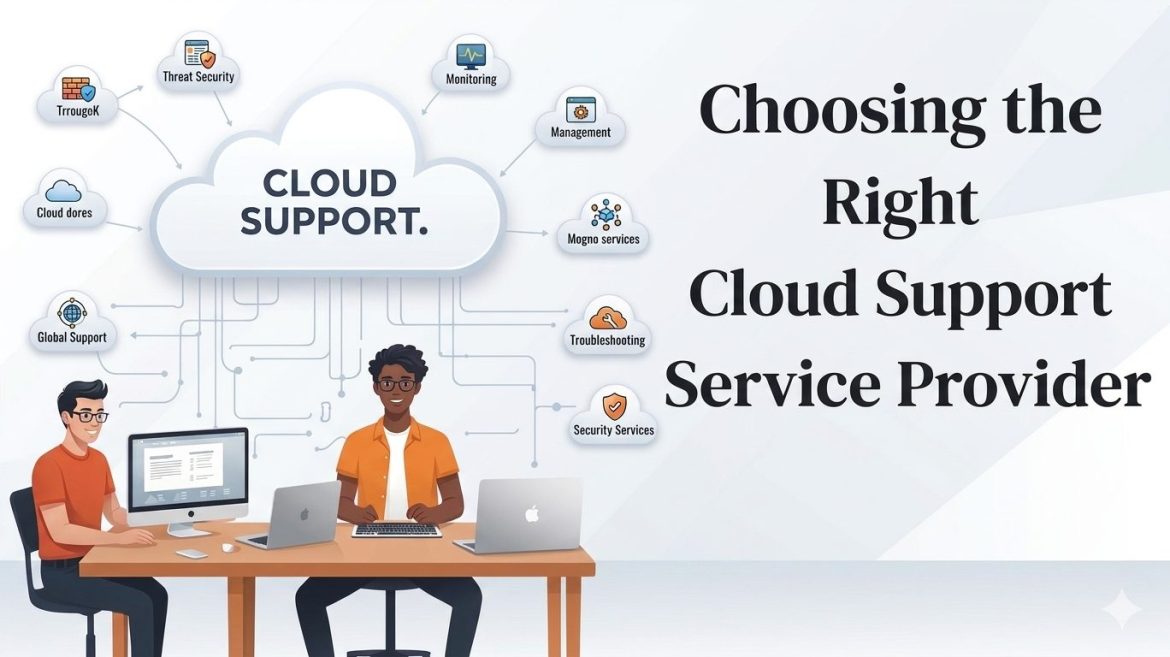
Managed Cloud Support Services: Benefits, Costs & How to Choose the Right Provider
In today’s fast-paced digital landscape, businesses increasingly rely on cloud technology to manage operations, improve efficiency, and stay competitive. As organizations continue adopting cloud computing solutions, the need for reliable cloud support services has become essential. Cloud support services encompass a wide range of technical solutions provided by cloud managed service providers (MSPs) to help businesses deploy, manage, optimize, and secure their cloud environments effectively. These services enable organizations to maximize their cloud investments while ensuring performance, security, and scalability. In an era driven by remote work, digital transformation, and rapidly evolving technologies, having the right cloud support partner plays a critical role in maintaining operational continuity and business agility. Choosing the right cloud support service provider not only keeps …
Over the past decade, cloud computing has evolved from an emerging technology trend into a foundational component of modern digital infrastructure. Yet many organizations are still in different stages of their cloud journey. Some have already transitioned significant workloads to the cloud through cloud data migration initiatives, while others continue to evaluate whether and how cloud adoption aligns with their long-term business strategy. In 2026, the conversation around cloud adoption is no longer centered on whether cloud technology works. Instead, it has shifted toward how organizations can leverage cloud infrastructure to support innovation, scalability, and resilience in an increasingly digital economy. Understanding why businesses are moving to the cloud requires looking beyond technology alone. It involves examining the operational pressures …
Are you ready for the future of cloud computing? Look no further than the Google Cloud Platform (GCP), where cutting-edge trends and innovations shape how businesses operate in the digital age. With its robust infrastructure and advanced features, GCP is revolutionizing how organizations use the cloud for storage, analytics, and more. Overview of Google Cloud Platform (GCP) Google Cloud Platform (GCP) is a suite of cloud computing services offered by Google that provides organizations with a flexible and scalable infrastructure for building, deploying, and managing applications and services. GCP provides a wide array of services, including computing power, storage options, and machine learning capabilities, allowing businesses to leverage the power of the cloud to drive innovation and growth. With its …
When the term “cloud computing” took the market by storm – it left a lot of people feeling rained on and confused. There were a lot of questions being asked… What does it mean for me? How does this impact my business? Do I need to forklift everything and move into the cloud to be competitive? It really feels like the same is happening with the term “digital transformation.” It’s such a broad topic that can have so many impacts on a variety of organizations and use-cases. Much like a cloud, there is beginning to be more clarity into what it means to become a digitally-enabled organization. However, before we go on, it’s important to note that this trend is …
Cloud computing is the delivery of computing services including storage, servers, databases, networking, and software over the internet (“the cloud”). Instead of storing data or running applications on a local computer, users access resources remotely through cloud infrastructure managed by service providers. Major providers include: These companies operate global data centers that power modern cloud computing services. How Cloud Computing Works At its core, cloud computing relies on a network of remote servers hosted on the internet to store, manage, and process data. Users connect via: The provider manages: This allows businesses to focus on growth instead of infrastructure management. Cloud Service Models There are three different types of cloud computing services, namely Software as a Service (SaaS), Platform as …
Developers and platform engineers have much to gain from using both Google App Engine and Compute Engine, as these cloud computing solutions offer distinct benefits during the various stages of application development. Despite their similar names, these two services serve different purposes, with Google App Engine functioning as a Platform as a Service (PaaS) and Google Compute Engine operating as an Infrastructure as a Service (IaaS). PaaS solutions like Google App Engine offer a platform where developers can build and deploy their applications without having to worry about managing the infrastructure that makes its base. This helps them to focus solely on developing the application code and functionality, with the platform handling tasks such as scaling and load balancing. On …
Cloud Hosting, Cloud Computing, and Cloud Architecture are rapidly growing technologies that are transforming the way businesses operate. However, these terms are often confused with concepts like grid computing, even though they serve different purposes. Cloud computing has revolutionized the IT industry by delivering computing resources as a service rather than a product. Instead of relying on physical infrastructure, businesses can access scalable and virtualized resources over the internet. What is Cloud Computing? Cloud computing is an approach to building and delivering applications and services using virtualized resources. It combines physical computing infrastructure with internet-based networks to provide on-demand access to computing power, storage, and applications. What is Cloud Hosting? Cloud hosting is a modern hosting solution that uses a …
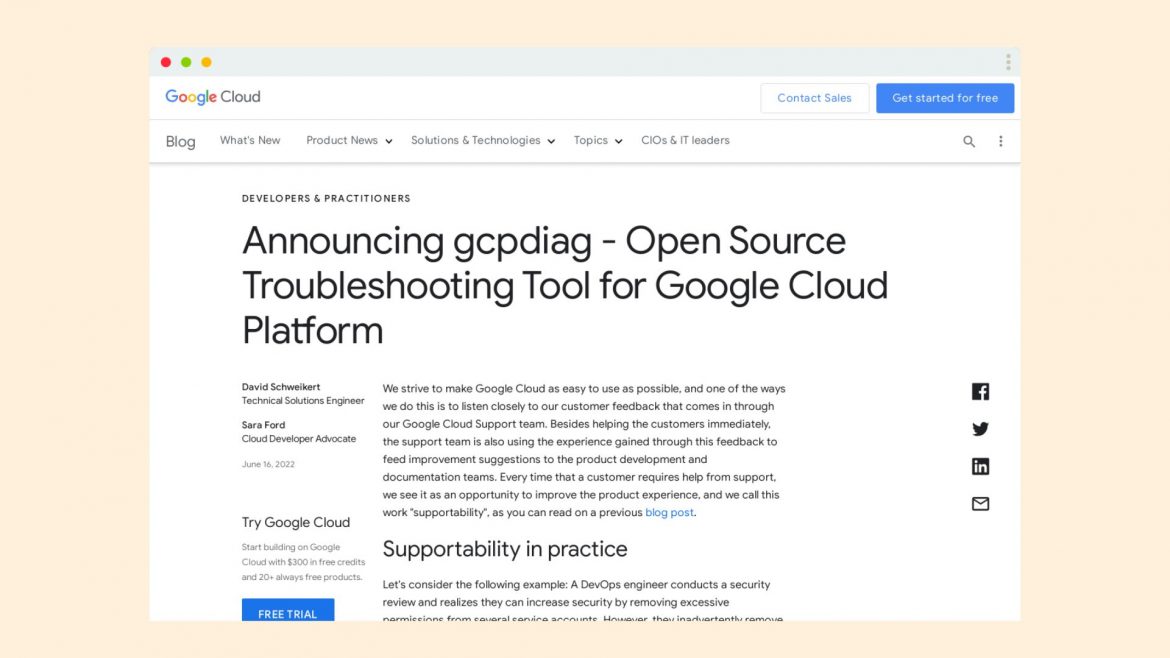
A command-line diagnostics tool for GCP users is called gcpdiag. It identifies and assists in resolving frequent problems in Google Cloud Platform projects. Based on the Google Cloud Support team’s troubleshooting expertise, it is used to test applications against a variety of best practices and common errors. Contributions are welcome for gcpdiag, an open-source programm! Please be aware that this is a community effort rather than a Google product that is officially supported. What are the Pre-requisites for gcpdiag? The following are necessary for gcpdiag to function properly: 1. Permissions The following roles (both of them) must be granted at the very least to the credentials you use with gcpdiag: Viewer of the project being inspected Service Usage Consumer on the …