
As organizations increasingly rely on cloud infrastructure, cybersecurity risks and regulatory requirements continue to grow. Businesses must protect sensitive data, maintain compliance standards, and ensure uninterrupted operations in rapidly evolving cloud environments. Basic infrastructure management is no longer enough. Managed cloud services provide continuous monitoring, advanced security controls, and compliance support that help organizations maintain secure, scalable, and compliant cloud environments. This guide explains how managed cloud services enhance cloud security, simplify compliance management, and improve overall business resilience. Why Businesses Choose Managed Cloud Services Managing modern cloud platforms internally can be challenging due to: Managed cloud service providers combine automation, security expertise, and proactive monitoring to reduce operational risks while improving performance. Key Advantages With dedicated cloud specialists managing …
Cloud
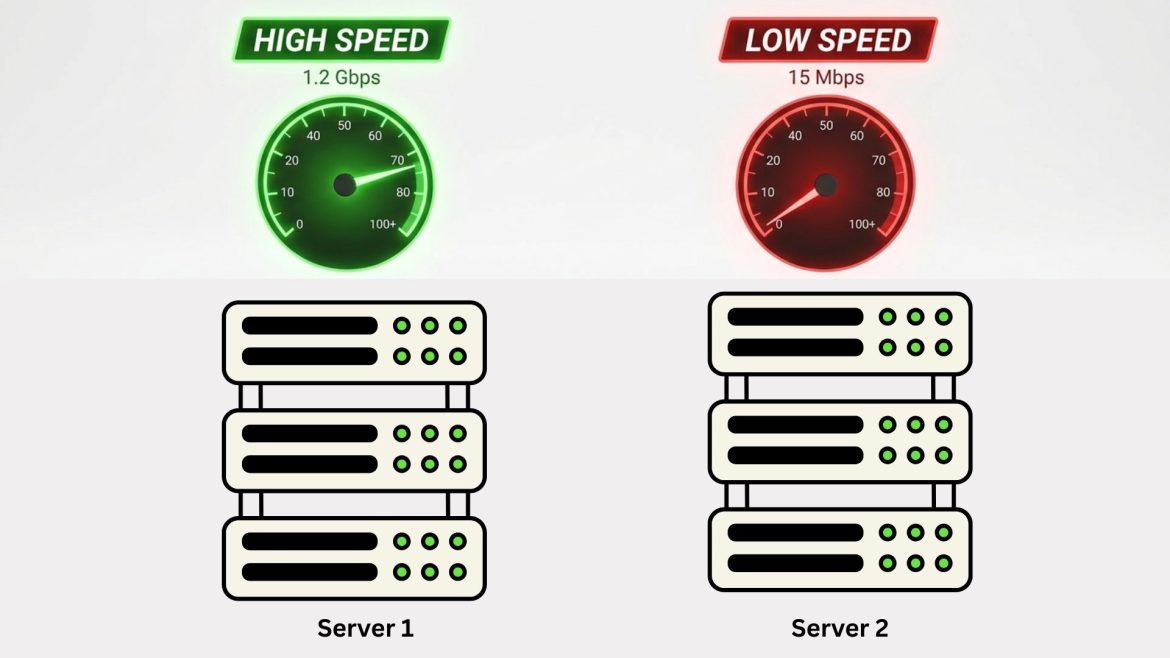
Why Cloud Instances Perform Differently Even with the Same Specs
If you have ever launched two cloud instances with identical specifications- same CPU, memory, storage, and operating system, you might expect them to perform exactly the same. In reality, that rarely happens. One instance might boot faster, handle traffic more smoothly, or complete workloads quicker than another, even though both look identical on paper. This inconsistency often surprises engineers, startups, and DevOps teams. After all, cloud providers advertise standardized virtual machines. So why does performance still vary? In this article, we’ll explore the real reasons cloud instances behave differently despite having the same specs, and what you can do to minimize unpredictable performance. 1. The Hidden Layer: Virtualization and Shared Hardware Cloud instances are virtual machines running on physical servers …
Why “Cloud” Servers Still Go Down: Common Operational Mistakes
The word cloud often gives businesses a false sense of invincibility. Many assume that once systems move to AWS, Azure, or Google Cloud, outages become someone else’s problem. After all, cloud platforms promise high availability, redundancy, and scalability. Yet outages still happen and often in dramatic, business-disrupting ways. From e-commerce downtime to SaaS platform crashes, “the cloud” regularly reminds organizations that technology alone does not guarantee reliability. So why do cloud servers still go down? The answer usually isn’t the provider’s infrastructure. It’s operational mistakes made by the people designing, configuring, and managing cloud environments. Let’s explore the most common reasons cloud servers fail and what organizations can do to prevent them. 1. Treating the Cloud Like a Traditional Data …
No one can forget a 403 error in Google Cloud. The resource in question was validated to be present, and the permissions seemed to be set up correctly. However, met with a 403 Permission Denied message. If you’ve ever been there, you know how annoying this error can be. So let’s slow this down and talk about what a 403 error really means, why it keeps popping up, and how to usually fix it in the real world. What a 403 Error in Google Cloud Actually Means ? A 403 error in Google Cloud means that Google Cloud understands who you are, but it won’t let you do what you’re asking. That’s different from a login issue. Your identity is fine. …
How to Fix 502 Bad Gateway: Why IP Works but Domain Fails – Reverse Proxy Guide
When you see a 502 Bad Gateway error , it can be frustrating, especially when your website works perfectly fine using the server’s IP address, but breaks when you access it through the domain name. It’s a very common issue that happens when you’re using a reverse proxy such as Nginx, Apache, or HAProxy. In this blog, we explained why it happens, and how you can fix it by following the steps one by one.
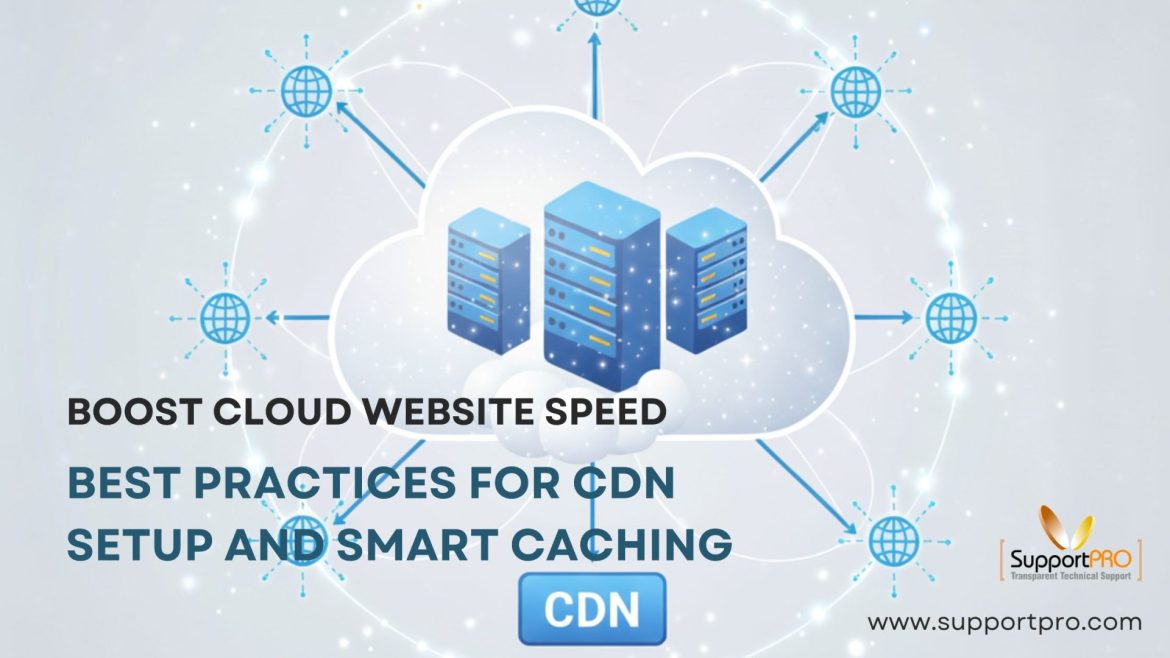
How to Optimize Cloud-Hosted Websites with CDN and Caching – Step-by-Step Guide
While using the web in today’s life, the users expect their pages to load quickly and specifically on mobile & across the globe all over the world. The websites that are hosted in the cloud, and combined with CDN, with smart caching strategies is the most effective path to reduce the latency issues, to reduce the server load and that helps to deliver a faster user experience.
As businesses expand across regions, platforms, and regulatory environments, software delivery becomes more complex. Traditional CI/CD pipelines improve development speed, but they are not designed to manage distributed infrastructure, embedded governance, and enterprise-scale resilience. Advanced CI/CD addresses this gap by combining automation, ci/cd orchestration, policy enforcement, intelligent operations, and orchestrating application delivery in multi-cloud environment into a unified delivery framework. What Is the Difference Between Normal CI/CD and Advanced CI/CD? The difference lies in scope, governance, and operational intelligence : Normal CI/CD focuses on automating builds, tests, and deployments within a defined environment. It improves developer productivity but still relies on manual approvals, environment-specific configurations, and reactive troubleshooting. Advanced CI/CD extends automation into multi-environment orchestration, compliance enforcement, progressive delivery strategies, …
If you’ve managed a website before, chances are you are familiar with cPanel. It’s been the most popular panel for years. Reliable, familiar, and packed with features. Then there’s RunCloud a newer player built for modern cloud servers. It’s lighter, faster, and built with developers in mind.
Autoscaling in Kubernetes: Everything You Need to Know About Karpenter & CA
You launch your shiny new app on Kubernetes. Everything’s humming along nicely, users are happy, and you start to relax. Then out of nowhere, traffic spikes. Pages crawl, users complain, requests start failing. Panic mode: you scramble to add more servers. The storm passes, your app recovers, and now you’re stuck paying for all those extra machines that barely do anything once traffic calms down. If that story feels a little too familiar, welcome to the age-old cloud problem: Overprovision, and you burn money.Underprovision, and your users pay the price. The good news? Kubernetes actually has a built-in way to save you from this mess: autoscaling. With it, your cluster grows when you need extra muscle and shrinks when you …
Let’s be real that the cloud isn’t just some buzzword anymore. It’s where almost everything runs these days. By 2025, most companies will be living almost entirely on cloud infrastructure. And honestly, it makes sense. The big platforms like AWS, Google Cloud, and Microsoft Azure give you endless power, worldwide reach, and the ability to scale up or down in minutes. Discover how cPanel & WHM streamline server management on AWS, Azure, and GCP. Get more control, security, and flexibility