

A new vulnerability has been found that potentially affects most versions of the Linux and Unix operating systems, in addition to Mac OS X. Known as the “Bash Bug” or “ShellShock,” the GNU Bash Remote Code Execution Vulnerability could allow an attacker to gain control over a targeted computer if exploited successfully. And because Bash is everywhere on Linux and Unix-like machines and interacts with all parts of the operating system, everyone anticipates that it will have lot of repercussions. How does Shellshock work? Shellshock exploits a flaw in how Bash parses environment variables; Bash allows functions to be stored in environment variables, but the issue is Bash will execute any code placed after the function in the environment variable …
Denial-of-service attack (DoS attack) or Distributed Denial-of-service attack (DDoS attack) is an attempt to make a machine or network resource unavailable to its intended users. This attack generally target sites or services hosted on high-profile web servers such as banks, credit card payment gateways, and even root nameservers. DoS attacks are implemented by either forcing the targeted computer to reset, or consuming its resources so that it can no longer provide its services or obstructs the communication media between the users and the victim so that they can no longer communicate adequately. This blog provides you an overview on how to identify DDOS attack using netstat command. Display all active Internet connections to the server and only established connections are …

DNS is a critical component of any network infrastructure. It is responsible for translating domain names into IP addresses, making it a prime target for attackers. A compromised DNS server can lead to traffic redirection, data interception, service downtime, and severe reputation damage. The main objective of securing DNS includes ensuring the secure exchange of data between DNS servers, protecting DNS queries, securing zone transfers, and controlling DNS updates. Strengthening DNS security is a foundational step in overall website and server protection, as discussed in SupportPro’s guide on improving website security In this article, we explain one of the most effective DNS-hardening methods: securing DNS using chroot, along with essential configuration considerations. Before proceeding, ensure that you have taken a …
SSH is a tool for secure remote login over insecure networks. It provides an encrypted terminal session with strong authentication of both the server and client, using public-key cryptography. 1. Use Strong Passwords/Usernames choose passwords that contains: Minimum of 8 characters Mix of upper and lower case letters Mix of letters and numbers Non alphanumeric characters (e.g. special characters such as ! ” $ % ^ etc)
If you want to disable redirection to SSL connection while accessing WHM, cPanel, Webmail, please follows these steps. Login to WHM >> Tweak Setting >> Uncheck the following options under Redirection. Always redirect users to the ssl/tls ports when visiting /cpanel, /webmail, etc. Also you have to uncheck the following option under Security in Tweak Settings. Require SSL for all remote logins to cPanel, WHM and Webmail. This setting is recommended. Also you can disable those options from the shell. SSH to the server as root. Open /var/cpanel/cpanel.config and set the following options to 0 (zero). alwaysredirecttossl requiressl – alwaysredirecttossl=0 requiressl=0 Save the file and exit. If you require help, contact SupportPRO Server Admin Partner with SupportPRO for 24/7 proactive cloud support …
PCI DSS (Payment Card Industry Data Security Standards) are the official security standards created by the PCI Security Standard Council to reduce payment card frauds. It provides elaborate and comprehensive standards to enhance payment card data security. The core purpose of PCI DSS this is to create as secure of an environment as possible for users to process their credit cards. To adhere by PCI DSS, service providers and merchants who sell products over the web are required to have a periodic PCI Security Scans that are usually defined by the credit card companies. PCI Security Scans are initiated over the Internet by an Approved Scanning Vendor (ASV). These scans pinpoint the vulnerabilities and misconfiguration of websites, servers, applications and …
Disabling direct root login over SSH is an important security practice for any cPanel server. Allowing remote root access increases the risk of brute-force attacks and unauthorized logins. By disabling root login, administrators must first log in using a normal user account and then switch to root privileges securely. This approach also allows administrators to access WHM/cPanel without the root password, improving security while maintaining full administrative control over the server. This guide explains how to disable root SSH login on a cPanel server safely without locking yourself out. Why Disable Root SSH Login? The root user has complete control over the server. If attackers gain root access, the entire system can be compromised. Security benefits include: Important Step Before …
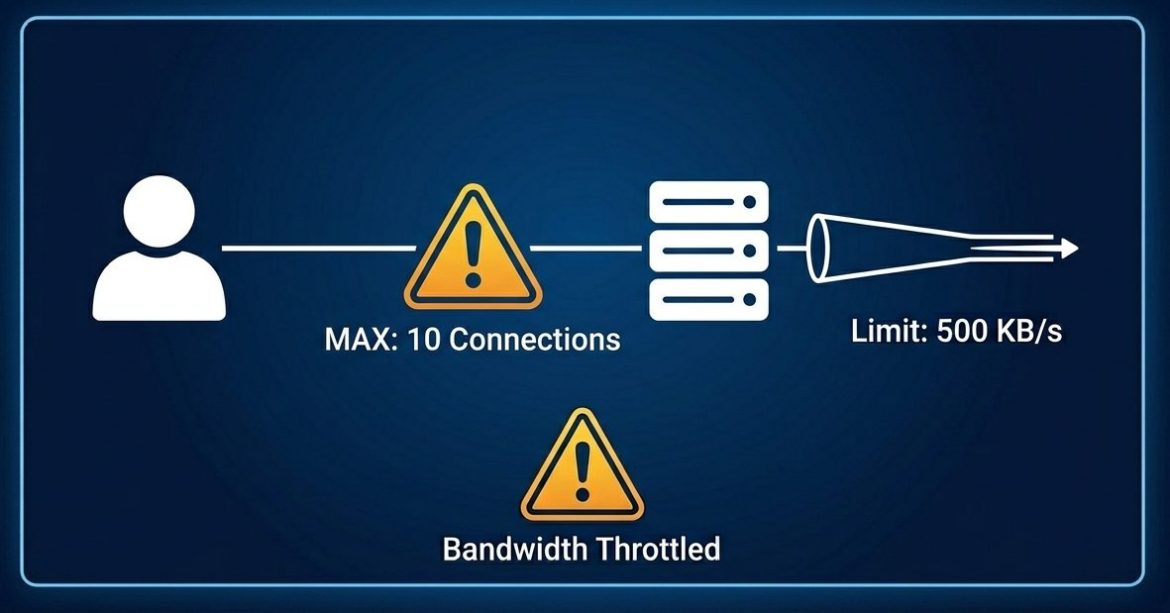
Managing server resources efficiently is essential for maintaining performance and stability. If a particular domain or directory is consuming excessive bandwidth, you can control its usage using the mod_bw module in Apache. The mod_bw (bandwidth module) allows administrators to restrict bandwidth usage and limit the number of simultaneous connections for specific virtual hosts (vhosts) or directories. This is especially useful in shared hosting environments where resource control is critical. When to Use mod_bw You can use mod_bw when: Steps to Install and Configure mod_bw 1. Check Apache Version Run the following command to verify your Apache version: 2. Download the mod_bw Module 3. Extract the Package 4. Review Configuration Instructions 5. Install the Module 6. Create Configuration File 7. Verify …
PHP DSO DSO – Dynamically Shared Objects Apache with PHP can be installed in two different ways. Statically embed the PHP binary into the Apache binary. This is probably the fastest and best way to run PHP Install Apache and PHP is by using Apaches DSO module Why DSO? Apache supports adding modules on instead of embedding them in the httpd binary. This works well when you dont want to re-compile Apache each time a module is updated, or if you want to add on numerous modules for development purposes System Administrators Dream: Allows developers to upgrade PHP without having to recompile Apache
Mod_Security 2.5 Need for a Webserver Security Module It is pretty difficult to secure application softwares. Common targets are Open Source software like PHPNuke. An attacker can easily find out vulnerabilities in the code. If your application is vulnerable to SQL injection, invoking the URL above may very well delete all user data from your application. You can use mod_rewrite to avoid this attack. it is very easy to detect the words drop and table, and then redirect the client away from the original URL. A determined attacker could simply invoke the same URL as above but use the POST method instead of GET. Since POST variables are not considered in the normal processing of most modules, the attack would …