
In the realm of secure communication and remote server management, SSH (Secure Shell) stands out as a fundamental tool. While SSH is often associated with remote server access, it has a lesser-known but incredibly powerful feature called SSH Port Forwarding. This feature allows users to securely forward traffic from one machine to another, making it invaluable for securely accessing remote services, bypassing firewalls, or creating encrypted tunnels. This blog covers an in-depth look at SSH Port Forwarding, its types, practical use cases, and detailed steps to configure it. What is SSH Port Forwarding? SSH Port Forwarding, also known as SSH Tunneling, is a technique that routes network traffic through an SSH connection. By encrypting this traffic, it ensures secure communication …
Server
Remote Desktop Protocol (RDP) is a widely used tool for managing virtual private servers (VPS) and dedicated servers. However, under certain network conditions, users may encounter issues such as RDP sessions hanging or frequent connection drops. One effective solution to improve the stability of RDP connections is to disable UDP support and rely solely on the TCP protocol. TCP is often more reliable and stable in adverse network environments, making it a preferred option for remote server management. In this article, we will explore how to disable UDP for RDP connections on a Windows Server using different methods. These steps can help mitigate connection issues and provide a smoother remote desktop experience. Why Disable UDP for RDP? RDP uses both …
The “An Internal Error Has Occurred” message is one of the most common errors encountered by users trying to connect to a remote server using the Remote Desktop Protocol (RDP). While the error doesn’t provide much information about the cause, it can be frustrating when attempting to manage a remote system. Fortunately, there are several effective solutions to resolve this issue. Common Causes of the Error 1. Network or Connectivity Issues: Temporary issues with your local or remote network can interrupt the RDP connection. 2. Incorrect RDP Configuration: Misconfigured RDP settings on the client or server can trigger this error. 3. Corrupt or Outdated Certificates: RDP connections rely on certificates for secure communication. Expired or corrupted certificates may cause the …
Finding reliable server management companies in the USA can be challenging because every provider offers different features, pricing models, and technical expertise. The right partner can improve uptime, strengthen security, and ensure smooth infrastructure performance, while the wrong one can cause downtime, slow response times, and operational risk. This guide compares leading server management providers, explains their strengths, and shows how to choose the best partner for your business. Here are the leading companies: Why Server Management Matters for Businesses Success? Modern businesses rely on servers for applications, databases, websites, and internal systems. Without proper management, performance issues and vulnerabilities can quickly affect operations. Key benefits of professional server management: Questions to Ask Before Choosing a Provider What Services Do …
Managed vs. Unmanaged Server Support: Which Is Right for Your Business?
Choosing the right server support model is critical for maintaining your business’s efficiency and reliability. This blog breaks down the differences, advantages, and best use cases for managed server support and unmanaged server support, complete with real-world examples to guide your decision. Understanding Managed and Unmanaged Server Support Managed Server Support In a managed server support model, the service provider takes full responsibility for managing, maintaining, and securing your servers. Key Services: Example:Imagine you run an e-commerce business like an online clothing store. During peak seasons like Black Friday, sudden spikes in traffic can overwhelm your server. With managed server support, the provider ensures your server scales automatically to handle traffic without downtime. They also perform regular security audits to …
Modern infrastructure demands more than just uptime; it requires automation, proactive monitoring, airtight security, and scalability. The right server management tool helps businesses prevent downtime, optimize performance, and maintain complete control over their environments. Whether you’re an IT team managing enterprise systems, a hosting provider handling multiple clients, or a developer maintaining production servers, choosing the right software can dramatically improve efficiency and reliability. This guide compares the best server management tools available today, including their features, strengths, and ideal use cases. What Are Server Monitoring Tools? Server monitoring tools track the health and performance of your server. These tools provide real-time metrics on various server aspects such as CPU load, memory usage, and disk space. They can also alert …
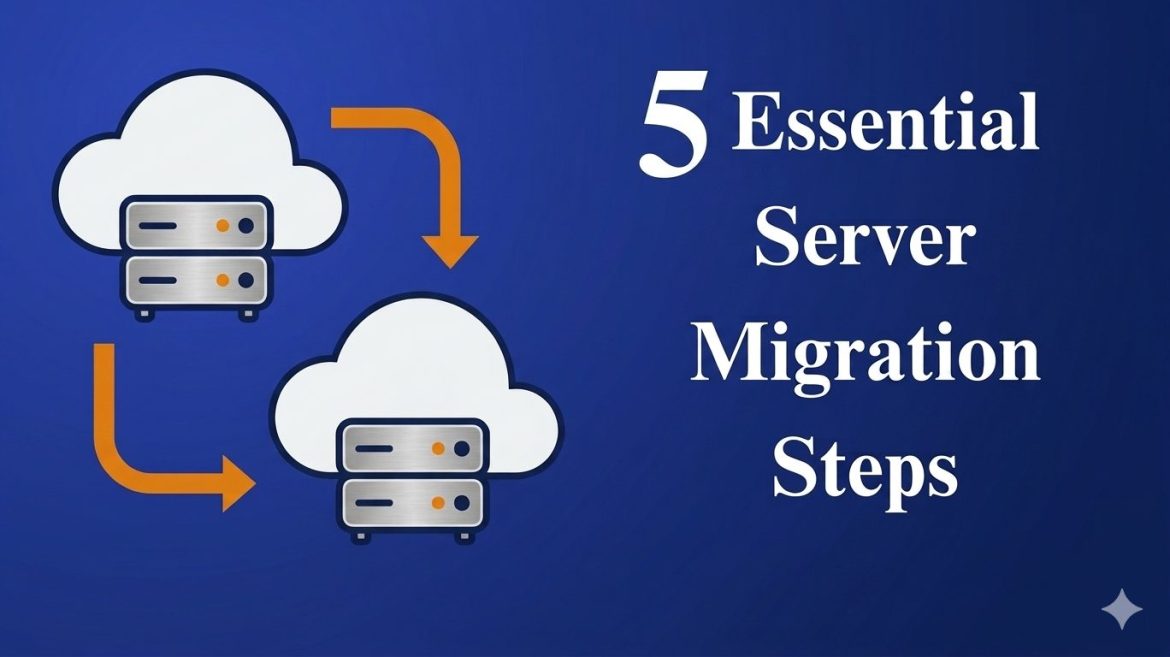
Server migration is a critical IT operation that directly impacts performance, security, and scalability. Whether you’re moving to the cloud, upgrading infrastructure, or consolidating servers, a poorly executed migration can lead to downtime, data loss, and costly disruptions. For many businesses, the process can feel overwhelming, especially when concerns around compatibility issues, downtime, and system stability come into play. However, a successful server migration doesn’t have to be complicated or risky. With the right strategy and structured approach, it can become a smooth and efficient transition that strengthens your IT environment. This guide explains what server migration is, why it matters, and walks you through the 5 essential steps to execute it safely, helping you move from planning to optimization …
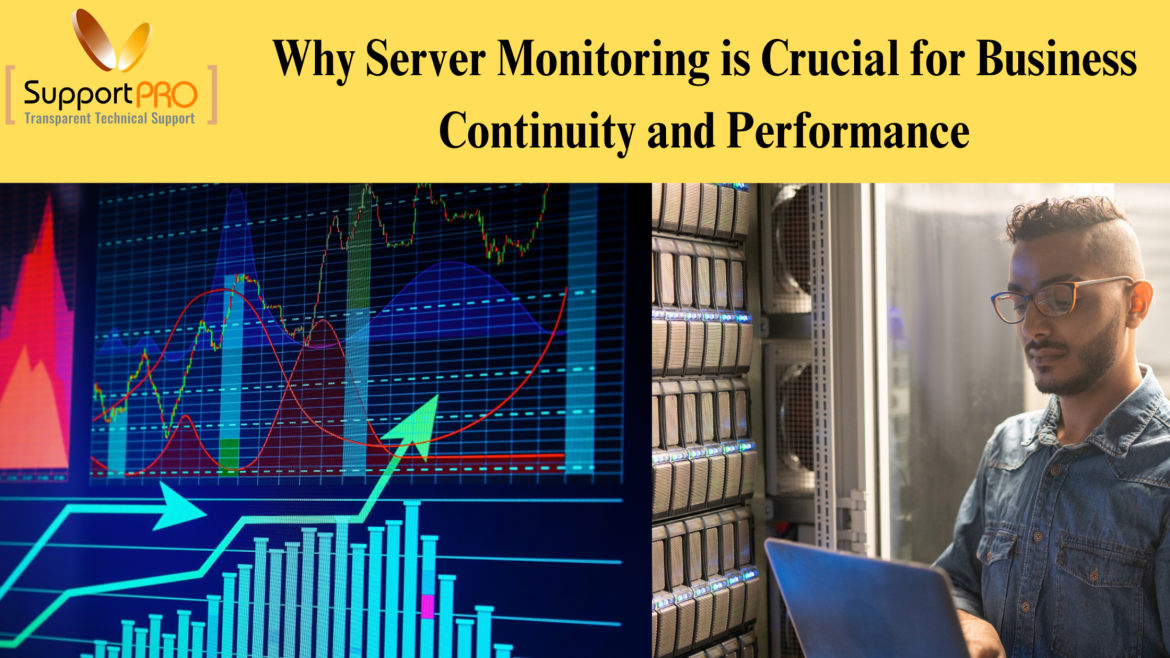
Why Server Monitoring is Crucial for Business Continuity and Performance
In an increasingly digital landscape, maintaining the health and performance of servers is fundamental to any business’s success. As companies rely on online operations, e-commerce, cloud computing, and enterprise software, ensuring uninterrupted service and robust server performance is more critical than ever. Server monitoring is the first defense against issues that could disrupt business continuity and degrade performance. This blog will explore why server monitoring is essential, how it impacts business continuity, and the various aspects of server management that keep businesses running smoothly. What is Server Monitoring? Server monitoring refers to continuously checking and tracking a server’s performance, health, and status. This includes monitoring critical metrics such as CPU usage, memory consumption, disk space, network traffic, and uptime. The …
Maintaining your server’s health is crucial for your business’s smooth operation. A well-maintained server ensures that your applications and services run without interruptions, keeping your customers happy and your data secure. Here’s an easy-to-follow, 10-point server maintenance checklist that covers everything you need to keep your server in top shape. 1. Regular Backups Regular backups are the cornerstone of server maintenance. Without them, you risk losing critical data in the event of a failure. Ensure your backups are scheduled automatically and stored in a secure, off-site location. Test your backups periodically to confirm they can be restored successfully. Example: Imagine you run an e-commerce site, and your server crashes during a holiday sale. Regular server support and maintenance through backups …
Server Management: Importance, Best Practices & Benefits of Outsourcing
In today’s digital-first business environment, effective server management is essential for maintaining operational stability, security, and performance. Server management encompasses a wide range of activities including server setup, monitoring, maintenance, optimization, and troubleshooting, to ensure IT systems operate efficiently and securely across physical servers, virtual machines, and cloud infrastructure. For organizations that depend heavily on digital platforms and online services, properly managed servers play a critical role in minimizing downtime, protecting sensitive data, and delivering a seamless user experience. Without proactive server management, businesses risk performance bottlenecks, security vulnerabilities, unexpected outages, and rising infrastructure costs. As IT environments grow more complex, many businesses are turning to professional server management services to maintain reliable and scalable infrastructure. These services provide comprehensive …