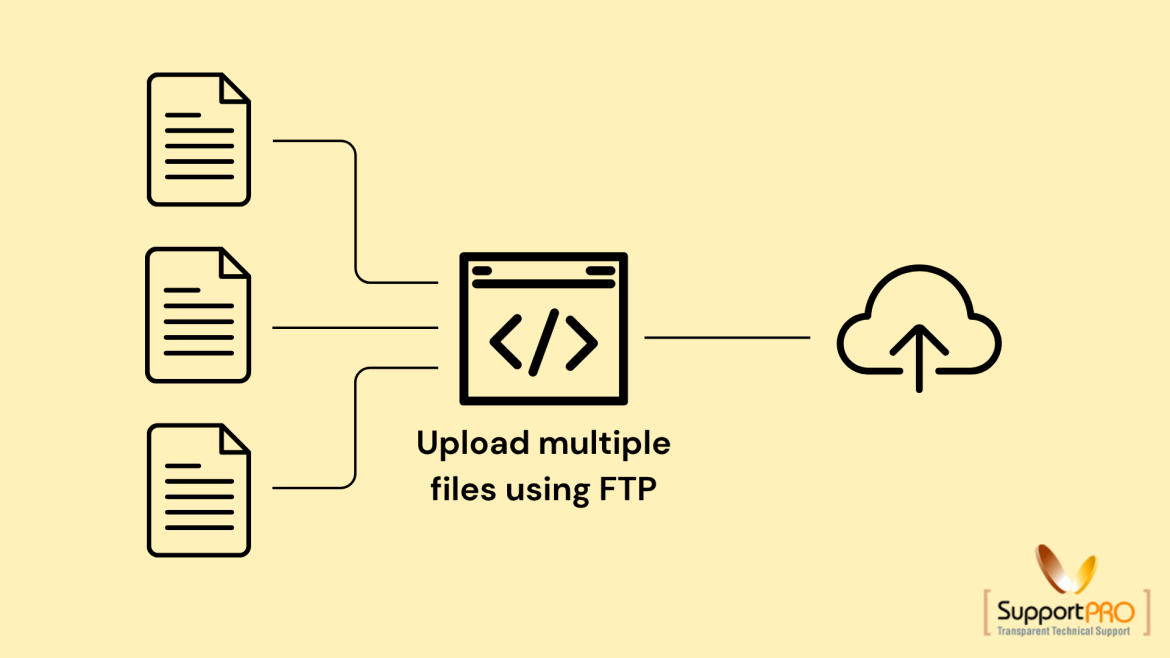
Uploading files through FTP is a common task for system administrators and developers. When handling multiple files or entire directories, using command line FTP tools can save time and simplify file transfers. One of the most efficient ways to upload multiple files using FTP is with the lftp command-line utility. It supports advanced file transfer features such as directory mirroring, recursive uploads, and automated synchronization. In this guide, we will explain how to upload multiple files using FTP in command line mode with lftp. What is lftp? lftp is a powerful command-line FTP client available on Linux and Unix-based systems. It supports: The tool is widely used for transferring large numbers of files and managing remote servers efficiently. Advantages of …
Linux system administrators rely heavily on command-line monitoring tools to keep servers healthy, diagnose performance bottlenecks, and respond quickly to issues. These tools provide real-time insights into system resources such as CPU, memory, disk I/O, and network usage, helping admins make informed decisions without relying on graphical interfaces. Below are some of the most widely used and practical command-line tools every Linux administrator should be familiar with. Top The top command is one of the most commonly used monitoring tools on Linux systems. It provides a dynamic, real-time view of the system’s overall performance, including CPU usage, memory consumption, load averages, and a list of running processes. Administrators can interact with the interface to sort processes, kill tasks, or change …
Please make a copy of configuration files before editing the same. Steps: Go to the following file and add the domain name. /var/cpanel/maxemails Eg:example.com = 1000 Just add an entry like example.com = 1000 . Now 1000 will be the maximum email per hour limit for domain. Execute the following script after updating the file /var/cpanel/maxemails, this will update the email settings in cpanel database. #/scripts/build_maxemails_config If you require help, contact SupportPRO Server Admin
We can easily retrieve all the FTP usernames and password under a domain in plain text, by following the below steps. 1. Enter the MySQL Prompt. # mysql -u admin -p`cat /etc/psa/.psa.shadow` 2. use psa; 3. mysql> select US.* FROM sys_users US, hosting HS, domains DM -> WHERE US.id = HS.sys_user_id AND HS.dom_id = DM.id AND DM.name =’domain.com’; The below given is a sample output of that command. +—–+———-+———-+———————————–+————+——-+ | id | login | passwd | home | shell | quota | +—–+———-+———-+———————————–+————+——-+ | 110 | ftpuser | password | /home/httpd/vhosts/domain.com | /bin/false | 0 | +—–+———-+———-+———————————–+————+——-+ If you require help, contact SupportPRO Server Admin
The rename command is a Perl-based utility on Linux used to quickly rename one or more files using pattern matching. It is especially useful when you need to modify filenames in bulk. General Syntax Options Explained Example Command The -n option performs a dry run and displays how files will be renamed without actually modifying them. If the output looks correct, run the final command: This command renames all files ending with .htm to .html. Command Breakdown Using the rename command simplifies bulk file management and reduces manual work in Linux environments. If you require help, contact SupportPRO Server Admin
Losing or forgetting the MySQL administrator (root) password on a Windows server can disrupt database access and application functionality. This guide explains how to safely reset the MySQL admin password on a Windows Server using the built-in initialization file method. This method is commonly used by system administrators, hosting providers, and IT support teams managing Windows-based MySQL installations. When Do You Need to Reset the MySQL Admin Password? You may need to reset the MySQL root password if: Ensuring secure database access is a core part of overall server security. You may also find these website security best practices useful: Steps to Reset MySQL Admin Password in Windows Server Step 1: Stop the MySQL Service Log in to the Windows …
How to Fix the “Address Already in Use: make_sock: could not bind to address [::]:443” Error
Introduction Apache is one of the most popular web servers, but administrators sometimes face startup failures that stop websites from being accessible. One common error is: (98) Address already in use: make_sock: could not bind to address [::]:443 (98) Address already in use: make_sock: could not bind to address 0.0.0.0:443 This error means that Apache cannot bind to port 443 because another process is already using it, or a previously terminated Apache process has not released the port. In some cases, large Apache log files or lingering semaphores can also stop Apache from starting correctly. This article discusses the causes of the error and the steps needed to restore normal Apache operation. Common Apache Socket Binding Errors (98)Address already in …
Webmail is a way to access your email directly through a web browser like Chrome or Edge, without needing software such as Outlook or Thunderbird. It lets you send, receive, and manage emails from anywhere using an internet connection. Plesk is a web hosting control panel that helps you manage websites, domains, emails, and servers from a simple dashboard. Within Plesk, webmail is one of the features that allows users to easily access their email accounts online using built-in tools like Horde or Roundcube, making email management convenient and centralized. Sometimes, when accessing your webmail, you may see the Plesk Default Page instead of the actual webmail interface. This issue commonly occurs after a webmail upgrade or configuration change Follow …
Disk usage 100% ? Retain latest entries of a file and delete the rest of the contents
Have issues with 100% diskspace in your Linux dedicated server. An easy and quick way is to clear the log files and thereby you can acquire quite a large amount of usable diskspace. Check the following: 1. Check the total disk usage: [root@testserver /]# df -h 2. Check the size of a each folder: [root@testserver /]# du -sch * or du -sch /foldername command
Rsync is a powerful and widely used tool for copying and synchronizing files between servers. It is commonly used by system administrators because it is fast, secure, and reliable. By default, rsync connects to remote servers using SSH on port 22. However, many servers are configured to use a non-standard SSH port for better security. In such cases, rsync can still be used without any issues by specifying the custom SSH port in the command. Why Use a Non-Standard SSH Port Many administrators change the default SSH port to reduce unauthorized access and automated attacks. When a server uses a custom port, tools that rely on SSH must be told which port to use. Rsync supports this easily through command-line …