

As organizations increasingly rely on cloud infrastructure, cybersecurity risks and regulatory requirements continue to grow. Businesses must protect sensitive data, maintain compliance standards, and ensure uninterrupted operations in rapidly evolving cloud environments.
Basic infrastructure management is no longer enough. Managed cloud services provide continuous monitoring, advanced security controls, and compliance support that help organizations maintain secure, scalable, and compliant cloud environments.
This guide explains how managed cloud services enhance cloud security, simplify compliance management, and improve overall business resilience.
Why Businesses Choose Managed Cloud Services
Managing modern cloud platforms internally can be challenging due to:
- Increasing cyber threats
- Complex cloud configurations
- Continuous compliance obligations
- Limited in-house expertise
Managed cloud service providers combine automation, security expertise, and proactive monitoring to reduce operational risks while improving performance.
Key Advantages
- 24/7 infrastructure monitoring
- Automated security updates and patch management
- Expert cloud governance and risk assessment
- Performance optimization and cost efficiency
- Reduced operational workload for internal teams
With dedicated cloud specialists managing infrastructure, organizations can focus on innovation while maintaining strong security and compliance standards.
Key Benefits of Managed Cloud Services
1. Advanced Cloud Security Protection
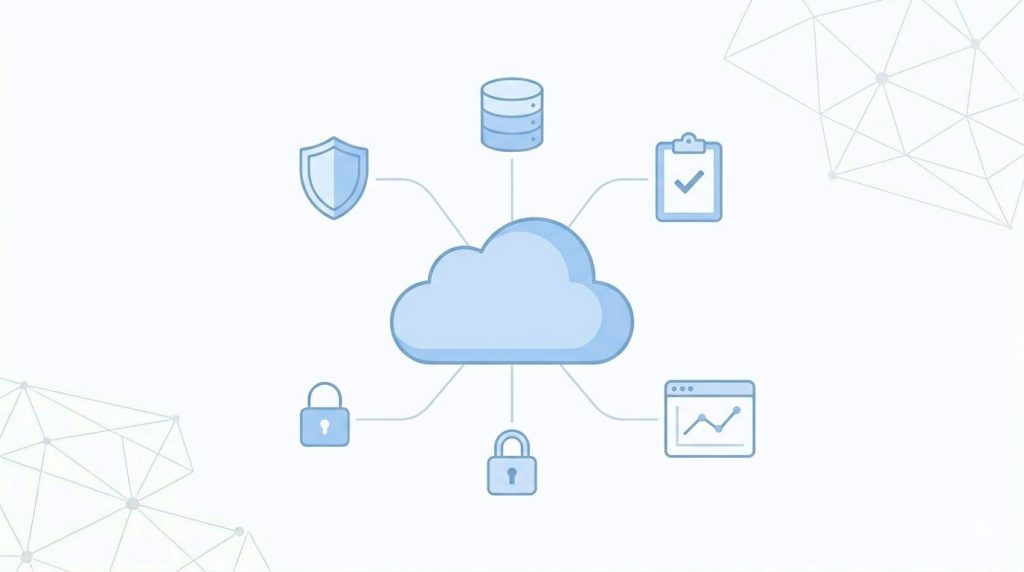
Cloud environments require multi-layered security across networks, workloads, and applications. Managed cloud providers implement comprehensive protection strategies, including:
- Continuous threat monitoring and incident response
- Vulnerability scanning and risk remediation
- Firewall configuration and network segmentation
- DDoS mitigation and intrusion prevention systems
Proactive security management helps identify threats early and minimizes the risk of cyberattacks impacting business operations.
2. Data Protection and Disaster Recovery
Data loss or downtime can severely affect business continuity. Managed cloud services strengthen resilience through structured backup and recovery strategies.
Typical solutions include:
- Automated encrypted backups
- Disaster recovery planning and testing
- Ransomware-resistant storage systems
- Rapid recovery processes to reduce downtime
These capabilities ensure business operations continue even during outages or security incidents.
3. Encryption and Access Control Management
Protecting sensitive business data requires strict access governance and encryption policies.
Managed cloud providers enhance data security through:
- Encryption for data at rest and in transit
- Secure encryption key lifecycle management
- Role-Based Access Control (RBAC)
- Identity monitoring and access auditing
Strong identity and access controls reduce unauthorized access risks and improve overall cloud governance.
4. Simplified Regulatory Compliance Management
Meeting regulatory requirements across industries can be complex and time-consuming. Managed cloud services help organizations align infrastructure with global compliance frameworks such as:
- ISO security standards
- GDPR data protection regulations
- HIPAA security requirements
- Industry-specific compliance policies
Providers assist with continuous monitoring, compliance reporting, and audit preparation, helping businesses reduce penalties and maintain customer trust.
5. Access to Cloud Expertise Without High Operational Costs
Building an internal cloud security team requires significant investment in hiring, training, and tooling.
Managed cloud services provide immediate access to experienced professionals while keeping costs predictable.
Business Benefits
- Certified cloud and cybersecurity experts
- Scalable infrastructure management
- Predictable monthly operational costs
- Optimized cloud resource utilization
Organizations gain enterprise-level expertise without expanding internal IT overhead.
Why Managed Cloud Services Are Essential for Modern Businesses ?
Cloud computing enables scalability and innovation, but security and compliance challenges continue to evolve. Managed cloud services deliver a proactive approach that combines automation, monitoring, and expert management to reduce risks and improve operational stability.
Businesses adopting managed cloud solutions benefit from:
- Stronger cybersecurity posture
- Improved compliance readiness
- Reduced downtime risks
- Greater operational efficiency
Conclusion
Maintaining secure and compliant cloud environments requires ongoing monitoring, expert management, and advanced security practices. Managed cloud services help organizations protect critical infrastructure while simplifying regulatory compliance and improving resilience.
By partnering with a trusted managed cloud provider, businesses can build a secure, optimized, and future-ready cloud strategy that supports long-term growth.
Next Step: Evaluate your current cloud security posture and work with cloud experts to strengthen protection, ensure compliance, and reduce operational risks.
Facing issues?
Our technical support
engineers can solve it.


